
View Providers
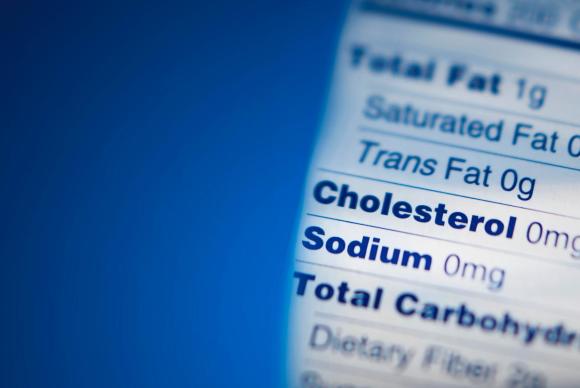
Benefits of Treating High Cholesterol
You probably know that high cholesterol increases your risk of cardiovascular disease and heart attack. Luckily, treatment can lower your risk. But exactly how your doctor approaches that treatment depends on many things, including your other risk factors for heart disease. Read on to learn how they may affect your cholesterol treatment plan.
1. Diabetes
Diabetes is a major heart disease risk factor, so reducing cholesterol levels is especially important for people with diabetes. And it works. If you have diabetes, aggressively lowering your low-density lipoprotein (LDL), or “bad” cholesterol level can reduce your risk for heart complications by 20 to 50%.

2. High Blood Pressure
Like high cholesterol, high blood pressure (considered 140/90 mmHg or higher) is a major risk factor for heart disease. It damages the lining of the arteries and leads to plaque buildup. Together, high blood pressure and high cholesterol increase the chance of heart attack. Make sure you know your blood pressure number, and ask your doctor how to keep it under control.

3. Family History
If you have a family history of early heart disease, you are more likely to develop it yourself. Unfortunately, you can’t change this risk factor. But you can reduce your chance of developing heart disease by controlling other risk factors, including high cholesterol. Ask your doctor how your family history plays a role in treating your cholesterol.

4. Obesity
Two-thirds of the American population is overweight, and one-third of these adults are obese. If you’re among them, the problem may be taking a toll on your heart. Not only does obesity raise cholesterol levels, it also contributes to high blood pressure and diabetes. Losing just 5 to 10% of your body weight can help.

5. Age
Your age plays a role in your cholesterol treatment. That’s because as we get older, our risk of heart disease increases. This is especially true for men who are 45 years or older and women 55 years or older. Your doctor will account for this risk when developing your treatment plan.

6. Smoking Status
Smoking damages the function of your heart and blood vessels. This increases your risk of plaque buildup in the arteries, which can lead to heart disease, heart attack, and other problems. Clearly, smoking is a major risk factor for heart disease. But when combined with high cholesterol, the risk is even greater.

7. HDL Cholesterol
Much of cholesterol treatment is focused on lowering your LDL cholesterol level. But your high-density lipoprotein (HDL), or “good” cholesterol is important, too. The higher your HDL level, the better you’re protected against heart disease.