
View Providers
High cholesterol is dangerous because it increases your risk for many serious diseases. The waxy buildup of cholesterol in your blood can mix with other substances and develop into what's called plaque. Plaque then starts to line your blood vessels, restricting the normal flow of blood through your body. That creates the foundation for chronic and possibly life-threatening conditions.
On the flip side, other health conditions can increase your risk of high cholesterol.
Here are seven conditions linked to high cholesterol that you should be aware of.
1. Atherosclerosis
High cholesterol increases the risk of developing a condition called atherosclerosis. Your arteries get rigid and hard because they fill with plaque. Atherosclerosis, also known as hardening of the arteries, can lead to other conditions that could cause pain, a heart attack, or a stroke.
2. Heart Disease
There's a link between high cholesterol and several diseases that affect your heart and its system of blood vessels. High cholesterol is a major risk factor for coronary artery disease. That's the main cause of death for adults in the United States. If plaque builds up in an artery that carries blood to the heart, you could have a heart attack. If only part of the artery is blocked, you may develop chest pain known as angina. A narrowed artery can become completely blocked by a blood clot.
3. Stroke
High cholesterol increases your chances of having a stroke because it can lead to atherosclerosis. Brain cells will die if plaque blocks blood flow to the brain. That's a stroke. The result could be weakness in an arm or leg or trouble talking. This could be permanent.
4. High Blood Pressure
When high cholesterol causes atherosclerosis, the heart has to work much harder to push blood through stiff arteries. This raises your blood pressure. Smoking greatly increases the effect of high cholesterol on blood pressure.
5. Type 2 Diabetes
People with type 2 diabetes are more likely than others to develop high cholesterol. Diabetes raises the levels of cholesterol and fats in the blood. That's true even if your diabetes is well controlled. Diabetes can raise the levels of low-density lipoprotein. That's the "bad" type of cholesterol. It also can lower the levels of high-density lipoprotein, the "good" type of cholesterol.
6. Peripheral Artery Disease
Cholesterol can build up in the blood vessels away from your heart. This happens most often in the legs. The buildup affects the circulation of blood to these areas. This can cause a condition called peripheral artery disease (PAD). People with PAD may develop pain with walking. Because of poor blood flow, even simple cuts and scrapes don’t heal well and have an increased risk of infection. In some cases, that can lead to gangrene and possibly limb amputation if the condition isn't treated. PAD can also affect arteries in your arms and abdomen.
People with PAD need to be careful and check their limbs for cuts and scrapes and signs of infection.
7. Obesity
Obesity is a disease, and it's one that's linked to high cholesterol. Obesity means being extremely overweight. It’s a body mass index (BMI) of 30 or higher. People who are obese are much more likely to develop high cholesterol. They're also more likely to develop other risk factors for heart disease that are connected to high cholesterol. Diabetes and high blood pressure are two examples.
Protect Your Health
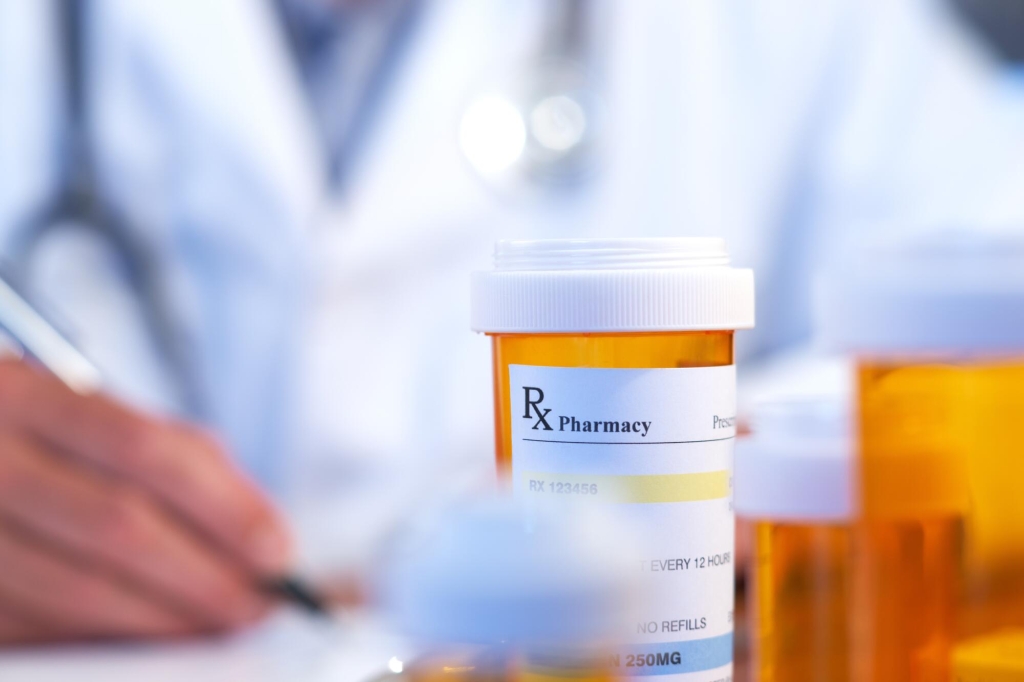
The higher your LDL cholesterol level, the greater your risk for developing several other health problems. Protect yourself by changing your lifestyle: Get more exercise. Eat a heart-healthy diet. Your doctor also may want you to take medicine to control your cholesterol and help prevent serious complications.