Introduction
What is high cholesterol?
Cholesterol is a type of fat, or lipid, which is important for a variety of functions in your body. Your body needs cholesterol to make cell membranes, bile acids, and certain hormones.
There are two main sources of cholesterol. Your body makes most (75%) of the cholesterol found in your blood. The rest (25%) comes from the foods you eat in the form of animal products. High cholesterol, or hypercholesterolemia, is caused by ingesting too much cholesterol in your diet or by your body making too much cholesterol.
There are two main types of cholesterol: “bad” cholesterol, also known as low-density lipoprotein (LDL), and “good” cholesterol, also known as high-density lipoprotein (HDL). When too much LDL is present in your blood, it can build up in a substance called plaque on the walls of the arteries and increase the risk of developing cardiovascular diseases. These include atherosclerosis, coronary heart disease, blood clots, heart attack, and stroke. In contrast, HDL helps prevent LDL from clogging your arteries.
Higher levels of HDL help reduce your risk of heart disease, heart attack, and stroke. Triglycerides are another type of fat that is included in determining your risk of heart disease, heart attack, and stroke. When HDL, LDL and triglycerides are present in the right levels and balance in the body, cholesterol functions to protect your health including cardiovascular health.
In the United States, approximately one in every six adults has elevated total cholesterol levels, defined as 240 mg/dl (milligrams per deciliter blood) and higher (Source: CDC).
There are generally no symptoms of high cholesterol and many people do not realize they have it. This means that many U.S. adults do not realize they have an increased risk of heart disease, heart attack, and stroke. In addition, heart disease and stroke are the leading causes of death in the United States. More than a million people in the United States have a heart attack each year and many of them die. (Source: NHLBI).
Considering the health risks of high cholesterol, it is important to get a cholesterol-screening panel or test at regular intervals. If you know your risks, you can help control them through diet, exercise, lifestyle changes, regular medical care, and sometimes medications.
High cholesterol is associated with an increased risk of cardiovascular disease, which includes heart attack and stroke. Seek immediate medical care (call 911) if you, or someone you are with, have symptoms of a stroke or heart attack, such as chest pain, difficulty breathing, dizziness, sweating, fainting, anxiety, sudden numbness or weakness, confusion, trouble speaking or understanding speech, trouble seeing or walking, or severe headache.
Symptoms
What are the symptoms of high cholesterol?
Typically, there are no symptoms of high cholesterol. This means that you may not know if your cholesterol levels are high. However, a simple blood test, called a lipid panel or cholesterol screening, can determine your cholesterol levels. Knowing your levels helps you know if you are at risk of heart disease, heart attack, and stroke. Your health care provider will help you understand what your test results mean, what your levels should be, and how to control your level of cholesterol to reduce your health risks.
Serious symptoms that might indicate a life-threatening condition
High cholesterol levels put you at risk of life-threatening conditions including heart attack and stroke. Seek immediate medical care (call 911) if you, or someone you are with, have any of these symptoms of a heart attack:
-
Change in the level of consciousness, such as passing out, unresponsiveness, or lethargy
-
Chest pain, discomfort, pressure or squeezing
-
Nausea and vomiting associated with chest pain
-
Shortness of breath
-
Sweating or clammy skin for no apparent reason
-
Unexplained discomfort or pain in the upper body (neck, shoulders, back or arms)
-
Unusual dizziness or light-headedness that does not go away
Seek immediate medical care (call 911) if you, or someone you are with, have any of these life-threatening symptoms of a stroke:
-
Change in level of consciousness, such as passing out, unresponsiveness, or lethargy
-
Difficulty walking
-
Difficulty with memory, thinking, talking, comprehension, writing or reading
-
Loss of muscle coordination or balance
-
Loss of vision or changes in vision in one or both eyes
-
Sudden confusion or dizziness
-
Sudden numbness or weakness of the face, arms or legs, particularly if it affects one side of the body
-
Sudden, severe headache or worst headache of your life
Causes
What causes high cholesterol?
High cholesterol occurs when you get too much cholesterol through your diet, your body makes too much cholesterol, or your body is not able to get rid of enough cholesterol. Eating a diet high in saturated fats and animal products can be a source of too much cholesterol. This is called secondary hypercholesterolemia.
In some cases, high cholesterol is caused by a genetic condition that is passed down through families. This is called primary or familial hypercholesterolemia, which is characterized by a defect in how your body removes low-density lipoprotein (“bad” cholesterol) from the blood, in addition to increased production of cholesterol.
What are the risk factors for high cholesterol?
A number of factors are thought to increase your chances of developing high cholesterol. Common risk factors include:
- Diabetes
- Diet high in saturated fats, trans fats, and animal products
- Family history of high cholesterol (familial hypercholesterolemia)
- Male gender
- Middle-age and older, particularly being past the age of menopause in women
- Obesity and being overweight
-
Sedentary lifestyle, physical inactivity, or not getting enough exercise
Reducing your risk of high cholesterol
There are a number of things you can do to help reduce your risk of developing high cholesterol and its potentially life-threatening complications. One of the most important things you can do is have your cholesterol levels checked. Once you know your cholesterol level, your health care provider can help you set goals and make lifestyle changes including:
-
Getting regular exercise
-
Increasing the amount of monounsaturated fats, polyunsaturated fats, and fiber in your diet
-
Maintaining a healthy weight
-
Not smoking or quitting smoking
-
Reducing the amount of saturated fats, trans fats, and dietary cholesterol that you eat
-
Treating high cholesterol levels with medications as recommended by your health care provider
Treatments
How is high cholesterol treated?
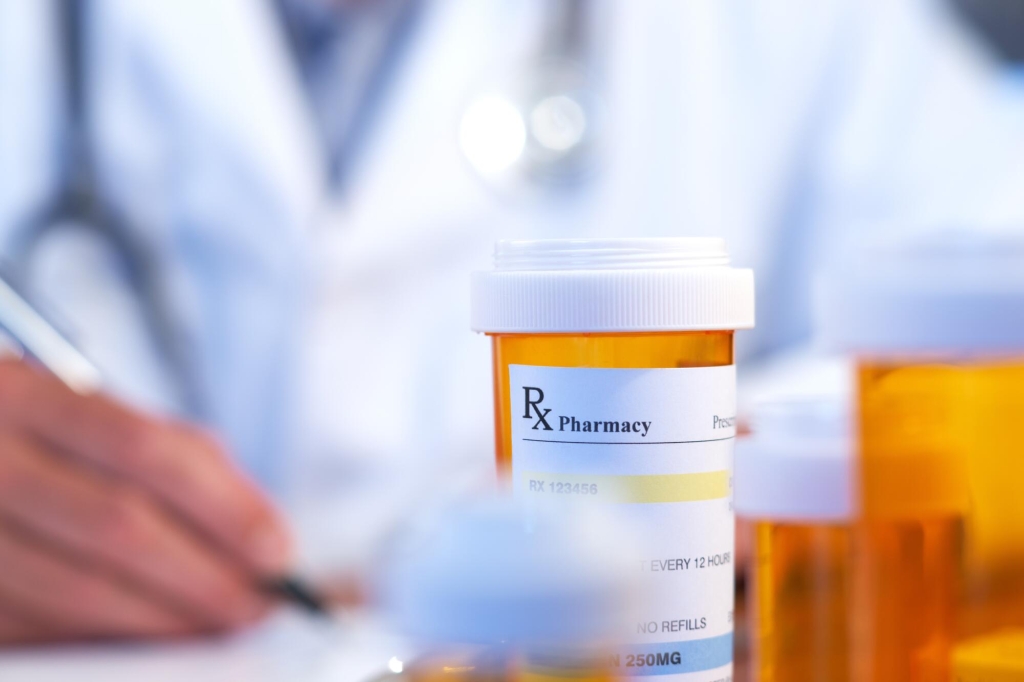
Your health care provider may recommend treatment of high cholesterol with lifestyle changes alone or in combination with medications to actively lower your cholesterol level. Lifestyle changes include eating a healthy diet, maintaining a healthy weight, getting adequate physical exercise, and quitting smoking. However, you may also need treatment with medications. Medications used to treat high cholesterol include:
-
Bile acid resins or sequestrants, such as cholestyramine (Questran) and colesevelam (Welchol), which help your body eliminate or remove cholesterol from the blood
-
Ezetimibe (Zetia), which prevents the absorption of cholesterol from the foods you eat
-
Fibrates or fibric acid derivatives, such as fenofibrate (Tricor) and gemfibrozil (Lopid), which help reduce triglycerides and increase the amount of high-density lipoprotein (HDL) in your blood
-
Niacin or nicotinic acid (type of B vitamin), which helps your body increase HDL levels while decreasing the amount of low-density lipoprotein (LDL) levels and triglycerides in your blood
-
Statins, such as simvastatin (Zocor) and atorvastatin (Lipitor), which reduce the amount of cholesterol the liver produces
You can help control your cholesterol levels and reduce your risk of developing heart disease, heart attack, and stroke by following the treatment plan you and your health care provider design specifically for you.
What are the potential complications of high cholesterol?
Complications of high cholesterol are serious and can be life threatening. Other diseases, disorders and conditions, such as high blood pressure and diabetes, can contribute to your risk of developing complications from high cholesterol. Serious complications of high cholesterol include:
-
Angina (chest pain caused by blocked coronary arteries)
-
Atherosclerosis (hardening of the arteries)
-
Blood clots
-
Coronary heart disease
-
Heart attack
-
Stroke