Introduction
What is hypertension?
Hypertension, commonly known as high blood pressure, is a serious condition that can lead to and complicate many health problems including cardiovascular disease, kidney failure, and stroke. Hypertension is often called “the silent killer” because it generally has no symptoms until serious complications develop. About one in three adults in the United States has hypertension, according to the National Heart, Lung and Blood Institute (Source: NHLBI).
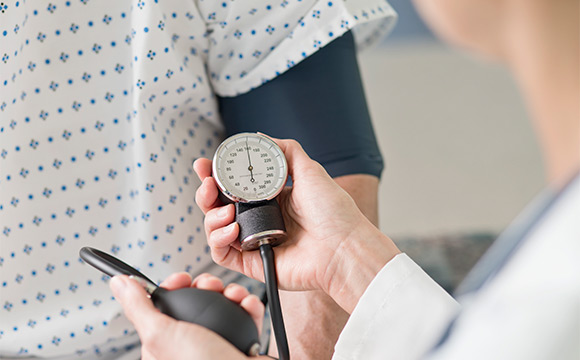
Blood pressure is the force exerted on the walls of the arteries as blood is pumped through your body. Your blood pressure is measured as two numbers followed by the units of pressure, such as 120/80 mm Hg (millimeters of mercury). The top number is called the systolic pressure, which is the highest pressure in your arteries as the heart is pumping blood. The bottom number is called the diastolic pressure and reflects the lowest pressure in your arteries when the heart is at rest between beats.
Blood pressure measurements vary and show a moderate rise and fall in response to many situations. For example, blood pressure will rise during strenuous activity to ensure that all the cells of the body get sufficient amounts of oxygen-rich blood. Blood pressure may also rise in response to stressful situations. Blood pressure is normally lower during periods of relaxation or sleep.
As a general guideline, adults should keep their blood pressure lower than 140/90 mm Hg. In addition, current guidelines consider consistent readings higher than 120/80 mm Hg as a condition called prehypertension, which should be monitored and treated as needed to ensure that your blood pressure does not become higher over time.
Extremely high blood pressure that occurs suddenly or the long-term effects of mild to moderately high blood pressure over time can lead to serious complications, such as stroke, kidney failure, and heart attack. Seek regular medical care to check for and promptly treat high blood pressure to reduce the risk of complications.
Seek immediate medical care (call 911) if you, or someone you are with, have symptoms such as chest pain, passing out, difficulty breathing, confusion, slurred speech, or problems with moving any part of the body.
Symptoms
What are the symptoms of hypertension?
Hypertension is often called “the silent killer” because there are often no symptoms until life-threatening complications develop. In rare cases, a person with hypertension may experience headaches or nosebleeds.
Despite a general lack of symptoms, uncontrolled hypertension puts excessive pressure on the walls of the body’s arteries. This damages blood vessels throughout the body, including blood vessels in vital organs, such as the kidneys, heart and brain.
Serious symptoms that might indicate a life-threatening condition
In some cases, hypertension may accompany symptoms that might indicate a serious or life-threatening condition that should be immediately evaluated in an emergency setting. Seek immediate medical care (call 911) if you, or someone you are with, have any of the following life-threatening symptoms:
-
Abnormal pupil size and nonreactivity to light
-
Change in mental status or sudden behavior change, such as confusion, delirium, lethargy, hallucinations and delusions
-
Chest pain, chest tightness, chest pressure, palpitations
-
Dizziness
-
Garbled or slurred speech or inability to speak
-
Loss of consciousness or change in consciousness, such as lethargy
-
Nosebleed that does not stop within five minutes
-
Numbness
-
Paralysis or difficulty moving a part of your body
-
Rapid heart rate (tachycardia)
-
Severe or unusual headache
-
Vision changes
-
Weakness
Causes
What causes hypertension?
In most cases, hypertension has no known cause. This is called essential hypertension. Hypertension can also be caused by a specific condition, disease or medication. This is called secondary hypertension.
Causes of hypertension
Diseases, disorders and conditions that cause hypertension include:
-
Alcoholism
-
Anxiety and stress
-
Aortic valve disease
-
Atherosclerosis (hardening of the arteries)
-
Coarctation of the aorta (narrowing of the aorta)
-
Endocrine disorders (hyperthyroidism, Cushing’s syndrome, hyperparathyroidism)
-
Fever
-
Kidney disease (kidney cancer, kidney failure, renovascular high blood pressure, glomerulonephritis)
-
Pain
-
Potassium deficiency
-
Pregnancy (gestational high blood pressure, preeclampsia)
-
Vitamin D deficiency
Medications and substances that cause hypertension
Illicit drugs and common medications that cause hypertension include:
-
Cocaine
-
Methamphetamine
-
Nonsteroidal anti-inflammatory drugs (NSAIDs)
-
Oral contraceptives (birth control pills) and other hormone drugs
-
Over-the-counter cold medications
-
Steroids
Life-threatening types of hypertension
In some cases, high blood pressure may be severe enough to be immediately life-threatening and should be evaluated quickly in an emergency setting:
-
Accelerated hypertension (malignant hypertension)
-
Hypertensive crisis
What are the risk factors for hypertension?
Hypertension is linked to several risk factors. Risk factors include:
-
African-American ancestry
-
Aging—when only the top number in a blood pressure measurement is high, it is called isolated systolic high blood pressure, which is common in older adults
-
Anxiety and stress
-
Diabetes
-
Diet that is high in salt
-
Elevated cholesterol levels in the blood (dyslipidemia)
-
Excessive alcohol use
-
Family history of hypertension
-
Male gender
-
Obesity
-
Prehypertension
-
Sedentary lifestyle
-
Smoking or use of chewing tobacco
Reducing your risk of hypertension
Not all people who are at risk for hypertension will develop the condition, and not all people who have hypertension have risk factors. You can lower your risk of developing hypertension by:
-
Eating a diet that is low in salt and saturated fat and high in fiber, whole grains, and fruits and vegetables
-
Getting early and regular prenatal care when pregnant
-
Maintaining a healthy weight
-
Not drinking alcohol or limiting alcohol intake to one drink per day for women and two drinks per day for men
-
Participating in a regular exercise program
-
Quitting smoking or chewing tobacco
-
Reducing excessive stress
-
Seeking regular medical care, checking blood pressure frequently, and following your treatment plan for conditions such as diabetes and prehypertension
Treatments
How is hypertension treated?
If diagnosed early, hypertension can be successfully controlled before the development of serious complications such as stroke and coronary heart disease. Hypertension treatment plans use a multifaceted approach and are individualized to the type and severity of your hypertension, risk factors, lifestyle, medical history, and other diseases and conditions you have.
Lifestyle changes that help treat hypertension
In some cases, mild hypertension and prehypertension can be controlled by lifestyle changes alone. These include:
-
Eating a diet that is low in salt and saturated fat and high in fiber, whole grains, and fruits and vegetables
-
Getting early and regular prenatal care when pregnant
-
Maintaining a healthy weight
-
Not drinking alcohol or limiting alcohol intake to one drink per day for women and two drinks per day for men
-
Participating in a regular exercise program
-
Quitting smoking
-
Reducing excessive stress
Medications used to treat hypertension
Oral medications known as antihypertensive drugs may be prescribed for people who have difficulty managing their blood pressure by lifestyle changes alone. Specific medications may be used alone or in combination with other medications. These are some of the medications:
-
ACE inhibitors, which lower blood pressure by preventing the body from making a hormone called angiotensin II, which narrows and tightens blood vessels
-
Alpha blockers, which decrease nerve impulses that tighten blood vessels.
-
Angiotensin II receptor blockers, which protect blood vessels from the narrowing effects of angiotensin
-
Beta blockers, which lower blood pressure by helping the heart to beat more slowly and less forcefully
-
Calcium channel blockers, which block calcium from entering the cells of the heart and blood vessels, resulting in relaxation of the vessels
-
Diuretics (“water pills”), which lower blood pressure by stimulating the kidneys to flush extra fluid and salt from the body
-
Nervous system inhibitors, which work in the brain to relax and widen blood vessels
-
Vasodilators, which relax and widen blood vessels
Other treatments for hypertension
-
Adjusting dosages or changing medications that cause hypertension as an unwanted side effect
-
Diagnosing and treating underlying causes of hypertension, such as thyroid disease, obesity, and kidney disease
What are the possible complications of hypertension?
Complications of long-term hypertension are serious and can be life threatening. Hypertension can damage the arteries throughout your body including those that supply blood to vital organs, such as the kidneys, heart and brain. You can control hypertension by following the treatment plan you and your health care professional design specifically for you. Complications of uncontrolled hypertension include:
-
Aneurysm
-
Coronary heart disease
-
Heart failure
-
Hypertensive crisis
-
Kidney failure
-
Malignant hypertension
-
Organ damage
-
Stroke
-
Vision changes and blindness