View Providers

Custom Cholesterol Care
When it comes to treatment for high cholesterol, one size does not fit all. The main goal is to lower LDL ("bad") cholesterol enough to reduce the risk for a heart attack. But the best strategy for achieving that goal varies widely. A 65-year-old woman with diabetes and kidney disease has very different needs from a healthy 25-year-old man. That's why individualized care is essential.

Cholesterol in Women
High cholesterol isn't just a man's problem. Before menopause, women tend to have a lower risk for heart disease than men. Within a year of their last menstrual period, however, women's LDL and total cholesterol levels often shoot up. By their mid-60s, women's risk of having a heart attack or stroke is similar to men's, and many need cholesterol-lowering treatment.

Statins for Seniors
In both men and women, LDL tends to rise with age. That helps explain why most heart attacks occur in people ages 65 and older. Just as in younger adults, statin drugs can help lower cholesterol in seniors. But these medications must be used with extra caution by those who are frail or older than 80.

The Youngest Patients
Although more common late in life, high cholesterol can occur at any age. In fact, a large national study found that at least 5 percent of 12- to 17-year-olds had elevated LDL levels. As in grown-ups, high LDL in children and teens can be treated with diet, exercise, weight loss and, if necessary, medication.

African-Americans At Risk
African-Americans have the highest death rate from heart disease of any ethnic group in the U.S. More than one-third of black men have total cholesterol levels in the borderline-high to high range. The same holds true for nearly half of black women. Periodic cholesterol tests help African-Americans find and treat such problems early—and beat those gloomy statistics.

People With Heart Disease
People who already have heart disease are at high risk for a heart attack and stroke in the future. This includes patients with coronary heart disease, angina, or a history of past heart attacks. It also includes those who previously had an angioplasty or bypass surgery. To reduce the risk, heart patients should shoot for an LDL level below 100 mg/dl. Some may need to aim even lower—under 70 mg/dl. Discuss your risks with your doctor to identify the optimal LDL goal for you.
People With Diabetes
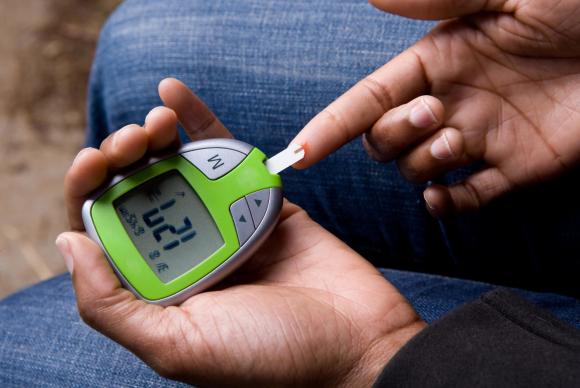
People with diabetes often have high LDL, high triglycerides, and low HDL ("good" cholesterol). Their risk for a heart attack is comparable to that of people who already have heart disease. And the combination of diabetes and heart disease is a particularly dangerous duo. Lowering cholesterol with lifestyle changes and medication is crucial for reducing the risk.

People With Kidney Disease
Anyone with chronic kidney disease — at any stage — has a high risk of developing heart disease. Although there are many reasons for this, cholesterol clearly plays a role. People with chronic kidney disease should get their cholesterol checked every year, or more often if new health problems arise.