
View Providers
The most common form of heart disease, known as coronary artery disease or coronary heart disease, develops gradually. Cholesterol and other material (plaque) build up in the arteries that bring blood to the heart. The plaque can narrow and eventually block the artery or arteries. If not enough blood reaches the heart, chest pain (angina) or a heart attack can occur.
Most heart attacks happen when a blood clot suddenly blocks the heart’s blood supply. Without immediate treatment, the likely result is permanent damage to the heart muscle. If you suspect you or someone you’re with might be having a heart attack, act fast. Call 911 to get yourself or the person to the emergency room.
The main treatments for heart disease and heart attack include lifestyle modifications, medication, and possibly special heart procedures or surgery.
Healthy Lifestyle Changes to Manage Heart Disease
Good habits can go a long way toward preventing heart disease or slowing its progress:
- Don’t smoke. Smoking is a major risk factor for developing heart disease. The chemicals in cigarettes damage your heart and blood vessels and can raise your risk of plaque buildup. If you smoke and already have high cholesterol, high blood pressure, or other risk factors for heart disease, you’re putting your heart in even more danger.
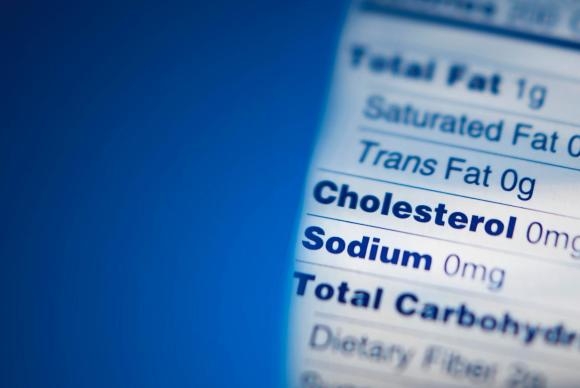
- Eat right. Cut down on saturated fats (the kind found in a juicy hamburger and other animal-based foods) and trans fats (often listed on labels as partially hydrogenated oil). Limit sugar and refined grains like white bread. Eat a variety of fruits and vegetables, whole grains, low-fat dairy, and lean meats and fish. A heart-healthy diet can help keep a lid on high cholesterol and reduce the chances of plaque clogging your arteries.
- Shake off salt. Too much salt can contribute to high blood pressure, which is another risk factor for heart disease. Limit how much salt you add to your food and beware of processed foods, including prepackaged and canned foods, which often contain a lot of sodium. Following the Dietary Approaches to Stop Hypertension (DASH) diet can help lower your blood pressure. The DASH diet suggests limiting your daily sodium to 2,300 to 1,500 milligrams per day.
- Curb the cocktails. Too much alcohol can cause weight gain and raise blood pressure and triglycerides (a blood fat). Keep your consumption to one drink a day if you’re a woman and two a day if you’re a man.
- Make time for exercise. Thirty minutes of moderate activity five days a week can help lower your risk of heart disease, diabetes (a heart disease risk factor), stroke, and cancer. Start walking or biking; even doing housework and gardening count. First, though, talk to your doctor to make sure you're healthy enough to start an exercise program.
- Lose weight. Being overweight or obese contributes to heart disease. Ask your doctor to help you create a weight-loss program. Losing just 10% of your body weight can lower your risk of heart disease. If you weigh 250 pounds, that’s 25 pounds. Take it day-by-day.
- Relax. Getting angry or upset can trigger a heart attack. Find healthy ways to manage stress: things like meditation, yoga, guided imagery, and listening to music. Get together with a friend or two to share your thoughts and discuss what is going on in your life. If you don’t have close friends, think about some professional counseling sessions to learn how to deal with stress and anger effectively.
Medications for Heart Disease
Your doctor may prescribe medications to fight heart disease and lower your risk of having a heart attack. These include:
- Blood thinners. Blood-thinning medicines, such as aspirin, warfarin, and clopidogrel, help prevent blood cells from clumping and forming clots.
- Blood pressure medications. Different classes of drugs lower blood pressure in different ways.
- Diuretics remove excess salt and water, ultimately relieving pressure on the walls of your blood vessels.
- Beta blockers reduce your heart rate and the workload on the heart.
- ACE inhibitors relax blood vessels.
- Calcium channel blockers also relax blood vessels and slow the heart rate.
- Cholesterol-lowering medication. Cholesterol medications work in the liver or the intestines to reduce levels of LDL cholesterol (the “bad” type of cholesterol) or triglycerides (blood fat), and raise the level of HDL (the “good” type of cholesterol).
- Clot-busting drugs (thrombolytic drugs). These medications can prevent heart attacks. They are given through an IV and work best when given within three hours of the start of chest pain. Clot-busting drugs break up blood clots that are blocking coronary arteries.
Medical Procedures and Surgeries
Heart attack or advanced heart disease may require a medical procedure or surgical intervention:
- Angioplasty. Doctors can open a blocked artery with a special catheter and then place a stent (a wire mesh tube) in the artery to help keep it open.
- Coronary artery bypass grafting. This is traditionally an open heart surgery. The surgeon removes a vein or artery from another part of your body and uses it to “detour” blood around a blocked artery or arteries.
Key Takeaways
- A variety of approaches exist for improving your heart health. The right one for you depends on the severity of your heart disease.
- Healthy lifestyle changes to help manage heart disease include following a low-fat diet that emphasizes fruits and vegetables, exercising, finding ways to relax, and not drinking to excess or smoking.
- You may need medication to control heart disease and risk factors, such as high cholesterol and high blood pressure.
- In severe cases, you may need a procedure to open blocked arteries or surgery to bypass the blockages.