View Providers
Cardiac Catheterization
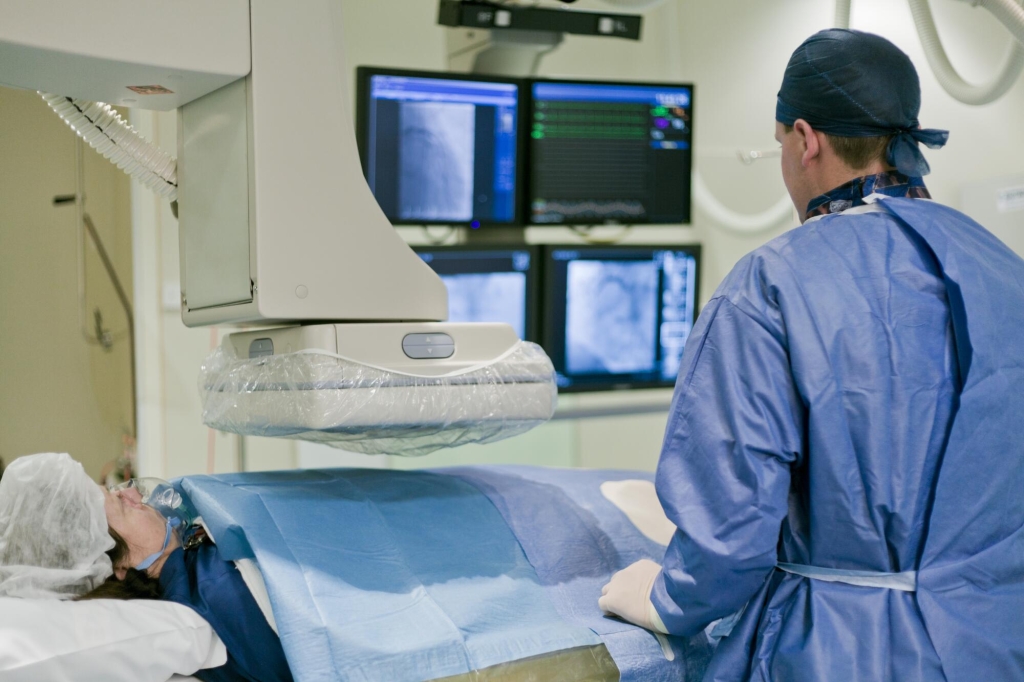
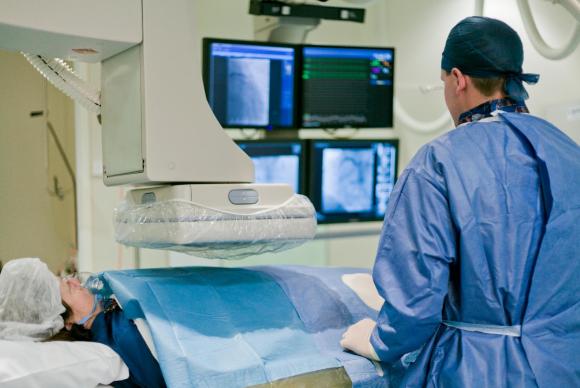
Cardiac catheterization is a minimally invasive procedure doctors use to diagnose and treat heart conditions. During cardiac catheterization, your doctor passes a long, thin tube (catheter) into your heart by inserting it through a blood vessel in your neck, groin or arm. Once the catheter is in place, your doctor can evaluate how well the heart is working and perform certain procedures, such as angioplasty to open up a blocked artery. Here’s a look at five conditions diagnosed with cardiac catheterization.
1. Coronary Artery Disease
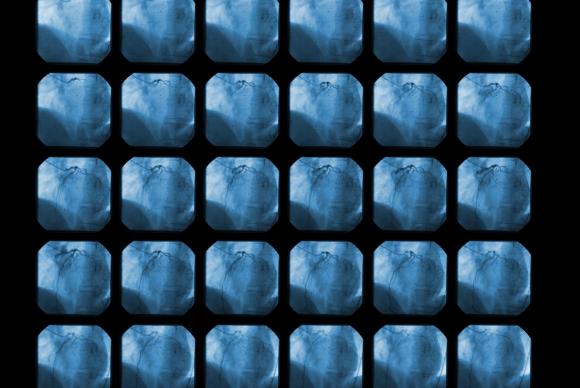
Coronary artery disease, commonly known as heart disease, is a serious disease caused by a buildup of plaque in the arteries that supply blood to the heart. Plaque can block blood flow through the coronary arteries, which decreases blood flow to the heart and increases the risk of heart attack. If you have signs or symptoms of coronary artery disease, such as chest pain, your doctor may perform cardiac catheterization with coronary angiography to look inside your arteries. Coronary angiography is a test that uses a contrast dye and X-rays to pinpoint the exact location of the blockage and plan treatment.

2. Heart Attack
Most heart attacks are caused by a blocked coronary artery. If you have chest pain or other symptoms of a heart attack, your doctor can perform cardiac catheterization to find the block and determine the best way to treat it. Treatment with angioplasty usually occurs simultaneously. Angioplasty is a procedure to widen or open a blocked or narrowed artery.

3. Heart Valve Diseases
Your heart valves control the flow of blood through the four chambers of the heart and to the rest of the body. Sometimes heart valves don’t work properly. Birth defects, infections, or other conditions can cause a heart valve to not open fully or allow blood to leak back into the heart. Doctors can use cardiac catheterization to detect heart valve disease, such as valve stenosis (narrowing).

4. Congenital Heart Problems
Cardiac catheterization helps doctors diagnose and treat children with congenital heart disease, which are heart defects present at birth. The procedure allows the doctor to view the heart muscle and its valves and chambers to detect any heart defects. In some cases, the surgeon can treat the heart defect during catheterization.
5. Cardiomyopathy
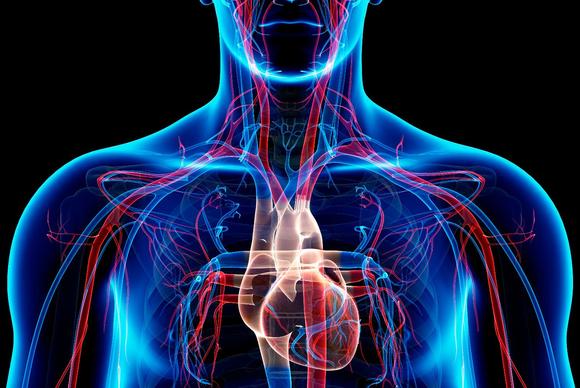
Cardiomyopathy is a diseased heart muscle. The muscle may be larger than normal, or the walls of heart may be thick or hard. Heart infections, chronic high blood pressure, and heart attacks call lead to cardiomyopathy. Doctors perform cardiac catheterization to confirm a diagnosis, determine the reason for cardiomyopathy, and to plan treatment. A doctor may take a sample of heart tissue (biopsy) to look for signs of infection or muscle cell damage.