
View Providers
Can an aspirin a day keep the doctor away? Maybe so, if it’s a low-dose tablet and you’re at high risk for heart attack or stroke.
Aspirin therapy is a very common recommendation for people who’ve already suffered a heart attack or who are at high risk for a cardiovascular-related event. If you’re not currently taking a low daily dose of aspirin to reduce your risk of experiencing a heart attack, chances are you know someone who is. About 70% of adults with cardiovascular disease take aspirin on a daily or every-other-day basis, according to the Centers for Disease Control and Prevention. This strategy can cut their risk of experiencing a second heart attack by about one quarter.
How Aspirin Lowers Your Risk of Heart Attack
If you smoke or you’ve suffered from high blood pressure, high cholesterol, high blood sugar levels or any combination of these factors, your blood vessels have likely already sustained some pretty serious damage. That damage can cause atherosclerotic plaques, an accumulation of cholesterol, calcium and other debris, to develop and build up along the lining of the vessels.
When those plaques rupture, platelets can clump together, causing blood clots to form. Those blood clots can then block the flow of blood to your heart, causing a heart attack. The blood clots can also block the flow of oxygen-rich blood to your brain, which can trigger a stroke. Aspirin works by stopping those platelets from sticking together and forming blood clots.
Understand the Benefits
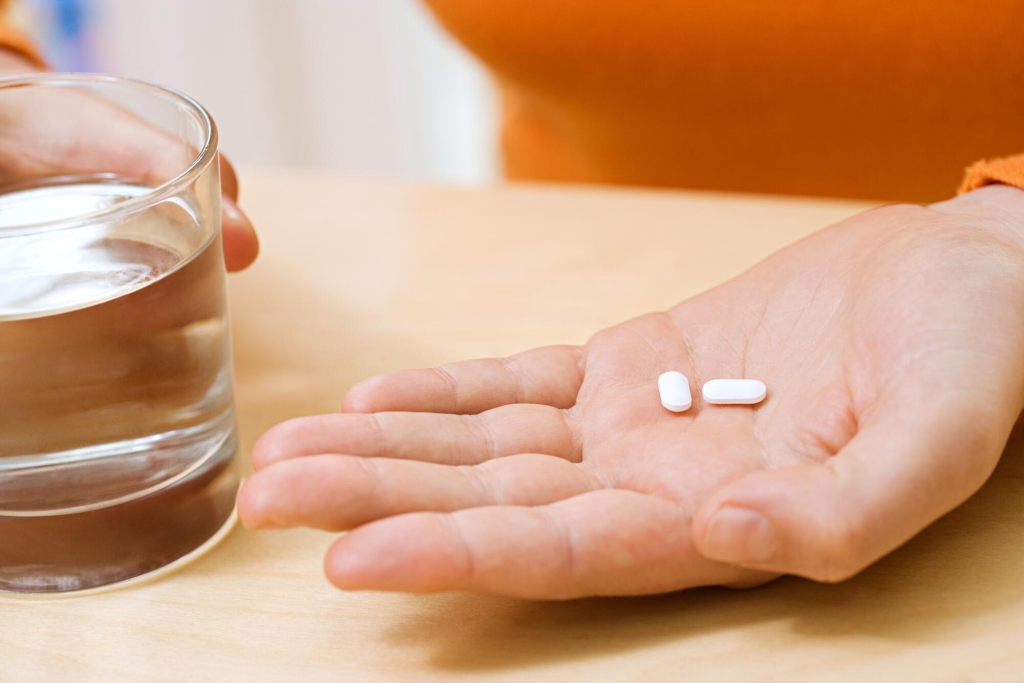
Aspirin therapy has definite benefits. It’s fairly cheap and uncomplicated. A typical daily dose of aspirin is only 81 to 100 mg—the amount contained in one baby aspirin tablet—and you can buy a big bottle of aspirin in any drugstore or pharmacy.
And when used appropriately, it works. Evidence shows that low-dose aspirin therapy is effective as a secondary prevention strategy—that is, reducing the likelihood that you’ll experience another heart attack. In fact, a draft recommendation from the U.S. Preventive Services Task Force even suggests aspirin therapy as a primary prevention strategy for people between 50 and 59 who are at increased risk for having a heart attack or stroke in the next decade. It could be helpful for some people in their 60s who are at risk for cardiovascular disease, but they would need to discuss the risk-benefit ratio with their doctor.
Daily low-dose aspirin therapy can also be helpful for people who’ve had stents inserted in their arteries. Aspirin thins the blood and reduces the chance that clots will form around those stents and cause blockages.
Knowing the Risks
But aspirin can cause complications or side effects. So you’ll want to understand the possible risks and weigh them against the benefits. Factors to consider include:
-
Aspirin can cause bleeding. Since aspirin does thin your blood, it intensifies any bleeding that you might experience. Additionally, chronic aspirin use can damage the lining of your stomach, which increases your risk of bleeding in your gastrointestinal tract. If you have peptic ulcers--ulcers in your stomach or small intestine—you may be more prone to aspirin-induced GI bleeding. If you’re over age 65 or take corticosteroids, those factors can also increase your risk for GI bleeding on aspirin therapy. You also would need to be cautious if you’re taking other blood-thinning medication, like warfarin.
-
It can upset your stomach. Even a low dose can cause some discomfort. You could try taking your aspirin with food or taking a drug designed to treat the symptoms of heartburn, such as an antacid or proton pump inhibitor.
-
Other medications may interact with or counteract aspirin. For example, nonsteroidal anti-inflammatory drugs (NSAIDs) may actually reduce the effectiveness of the aspirin. Some experts suggest that ibuprofen is more likely to interact with aspirin than other NSAIDs like naproxen, but even if you opt for a lower-risk NSAID, there’s still a risk.
Not for Everyone
Aspirin therapy is definitely not for everyone. Daily low-dose aspirin therapy is not recommended for people without a history of heart attack (or stroke). The benefits haven’t been definitively proven for what’s called “primary prevention,” but the risks still exist, according to the U.S. Food and Drug Administration.
Other people who should consider avoiding aspirin therapy include people who have a bleeding or clotting disorder, an aspirin allergy, or liver or kidney disease. Some experts also caution that people who drink large amounts of alcohol may also want to bypass aspirin therapy.