
View Providers

Wide Variety of Treatments are Available
The exact treatment for your atrial fibrillation — or afib — depends on your unique needs, the severity of your afib, and your response to your treatment plan. Treatment ranges from medicine to noninvasive and invasive surgery. In most cases, your doctor will start with conservative treatment. But the goal is the same: to keep your symptoms in check and keep afib from affecting the quality of your life.

Blood Thinners
Blood thinners don’t control your afib. But they can help prevent a stroke. Afib puts you at risk for stroke because it causes blood to pool in your heart. This can lead to a clot forming and then traveling to your brain. A blood thinner keeps a clot from forming. Until recently, warfarin (Coumadin) was the most common blood thinner. But newer drugs that require less monitoring are now available: dabigatran (Pradaxa), rivaroxaban (Xarelto), and apixaban (Eliquis). But, there's a tradeoff. These newer drugs cannot be reversed if there is a bleeding problem, so afib patients have to be extra careful and protect themselves from injury.

Medications for Heart Rate and Rhythm
You may need to take drugs to control your heart’s rate or its rhythm. Drugs that slow your heartbeat to a normal rate include beta-blockers, calcium channel blockers, and digoxin (Lanoxin, Digitek, others). If these drugs don’t work, your doctor may prescribe rhythm control drugs, also called antiarrhythmics. You may need to start these in a hospital with close monitoring and dose adjustments as needed.
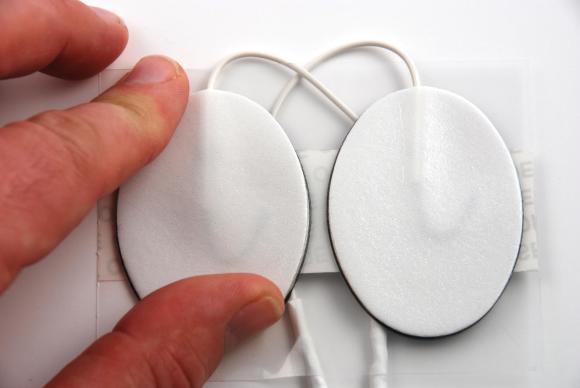
Electrical Cardioversion
If medications don't work, your doctor might suggest an electrical cardioversion. This is a hospital procedure that uses an electric shock to get your heart rhythm back to normal. During the procedure, you'll have electrodes on the front and back of your chest. Your doctor will send shocks through the electrodes to your heart. The shock disrupts your heart rhythm, causing it to restart with a normal rhythm. You won’t feel the shocks and you won't remember the procedure because you will receive a sedative before it starts.

Catheter Ablation
A catheter ablation is a minimally invasive procedure because it doesn't involve traditional surgery. It targets and destroys the area of the heart that's misfiring, using a thin flexible tube called a catheter. Your doctor threads the catheter through a vein in your arm or groin up to your heart. An electrode at the tip of the catheter emits energy to ablate or destroy the problematic tissue, by either freezing or burning it. Ablation can cure afib or minimize your symptoms.
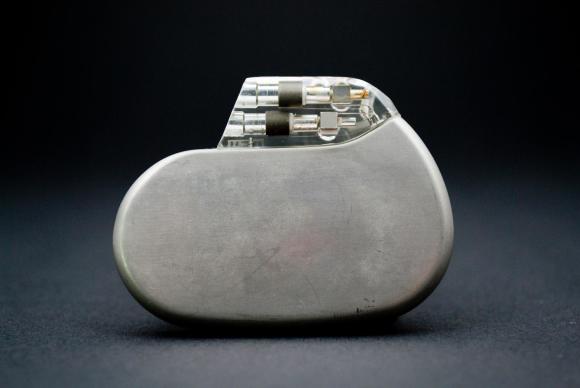
Pacemaker
Another way to regulate your heartbeat is by turning over the job to a mechanical device called a pacemaker. Barely bigger than a stopwatch, the pacemaker tells your heart to speed up or slow down as needed. There are different types of pacemakers — single and dual-chamber designs — depending on whether your atrium, ventricle, or both need pacing. A surgeon will place the device in your chest with only minor surgery needed to hook it up to your heart. Pacemaker batteries can last as long as 10 years.

Implanted Cardioverter Defibrillator
An implanted cardioverter defibrillator — or ICD — is another type of device. An ICD monitors your heart rate and can send out a shock to reset your heart's pace if it begins to beat dangerously. Although it’s somewhat larger than a pacemaker, your doctor implants it in a similar way. There is also a device that combines a pacemaker and an ICD if you need both functions.

Maze Procedure
A maze procedure is surgery to treat atrial fibrillation. It involves creating a pattern of scars on your heart that resemble a maze. The maze forces the signal to take one path through the heart and restores normal contractions. Your doctor may perform a maze procedure as a traditional open-heart surgery or as a mini-maze. A mini-maze is a variation that involves small incisions on the sides of your chest, rather than open-heart surgery.

Left Atrial Appendage Closure
When you have afib, the little pouch in your left atrium called the left atrial appendage — or LAA — can fill with blood. This blood can pool and form clots. In fact, nine in 10 strokes due to afib originate here. To avoid the risk for a clot and stroke, your doctor may suggest a left atrial appendage closure. This minimally invasive procedure closes off the LAA, using a catheter that's guided into your heart.