View Providers
Angina is not a disease. It's a group of signs and symptoms that occur when your heart muscle is not getting enough blood. The main symptom is chest pain, but there are others. These can be different depending on your gender, your age, and the type of angina you have. Here is what you should look for when it comes to angina.
Angina has some common signs and symptoms.
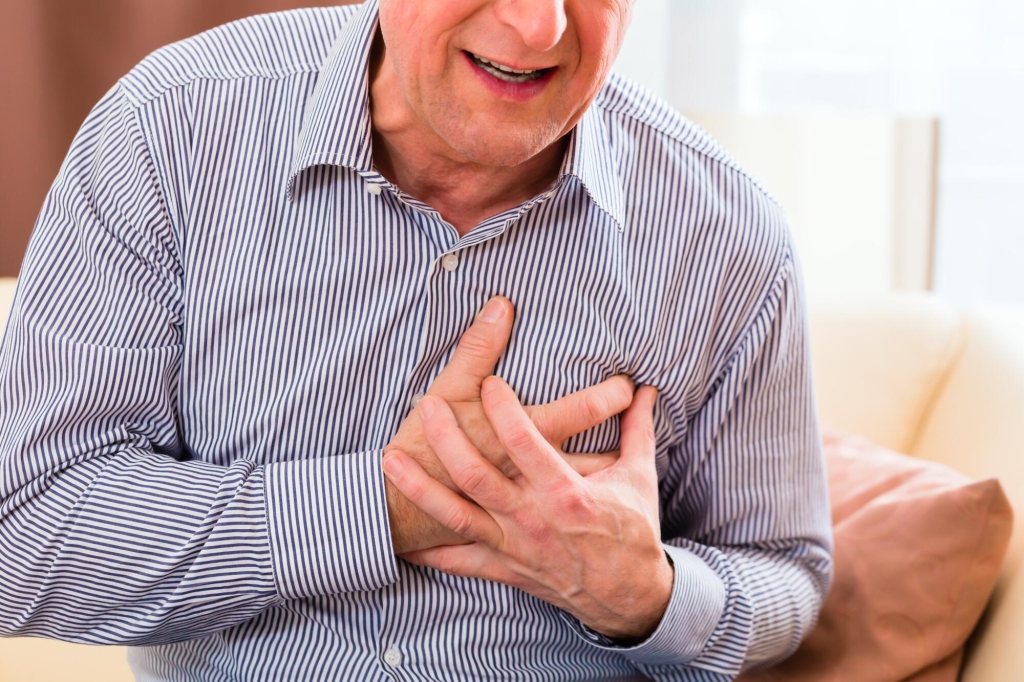
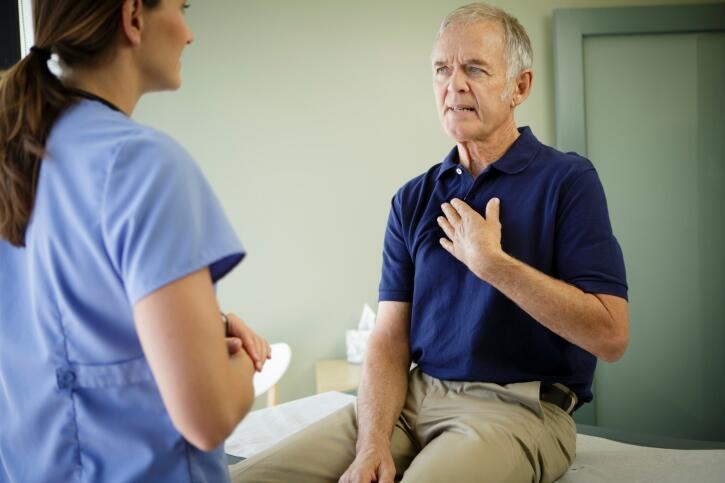
Oxygen-rich blood flows to your heart muscle through blood vessels called coronary arteries. Angina develops if these blood vessels become narrow or blocked. The main symptom of this is discomfort in your chest, behind your breastbone. People experience this discomfort in various ways, including:
-
Burning
-
Pain
-
Pressure
-
Tightness
Other signs and symptoms most people with angina have include:
-
Dizziness
-
Indigestion
-
Nausea
-
Pain in the arms, back, shoulders, neck, belly or jaw
-
Shortness of breath
-
Sweating
-
Weakness
Signs and symptoms can vary for different types of angina.
There are four main types of angina. Signs and symptoms can depend on the type you have:
-
Stable angina. The cause of this type is a gradual buildup of a waxy substance—or plaque—inside a coronary artery. This causes signs and symptoms only when your heart is working harder than usual—like when you are going up stairs or exercising. Symptoms will go away in about five minutes if you rest or take medicine.
-
Unstable angina. The cause of this type is usually a blood clot that forms over plaque that has broken away from the artery wall. The artery becomes blocked. This could happen while you are resting. Symptoms do not go away with rest or medication. This type of angina may lead quickly to a heart attack.
-
Variant angina. This type is less common. The cause is a spasm of a coronary artery. Signs and symptoms usually occur at night when you are resting or sleeping. Signs and symptoms are severe, but they will go away with medication. Another name for this type of angina is Prinzmetal’s angina.
-
Microvascular angina. The cause of this type is an abnormality in the tiniest coronary arteries. Symptoms may last more than 10 minutes and be triggered by stress or physical activity. Shortness of breath and tiredness are common. Signs and symptoms usually go away with medication. This type is more common in women.
Angina in women can be slightly different.
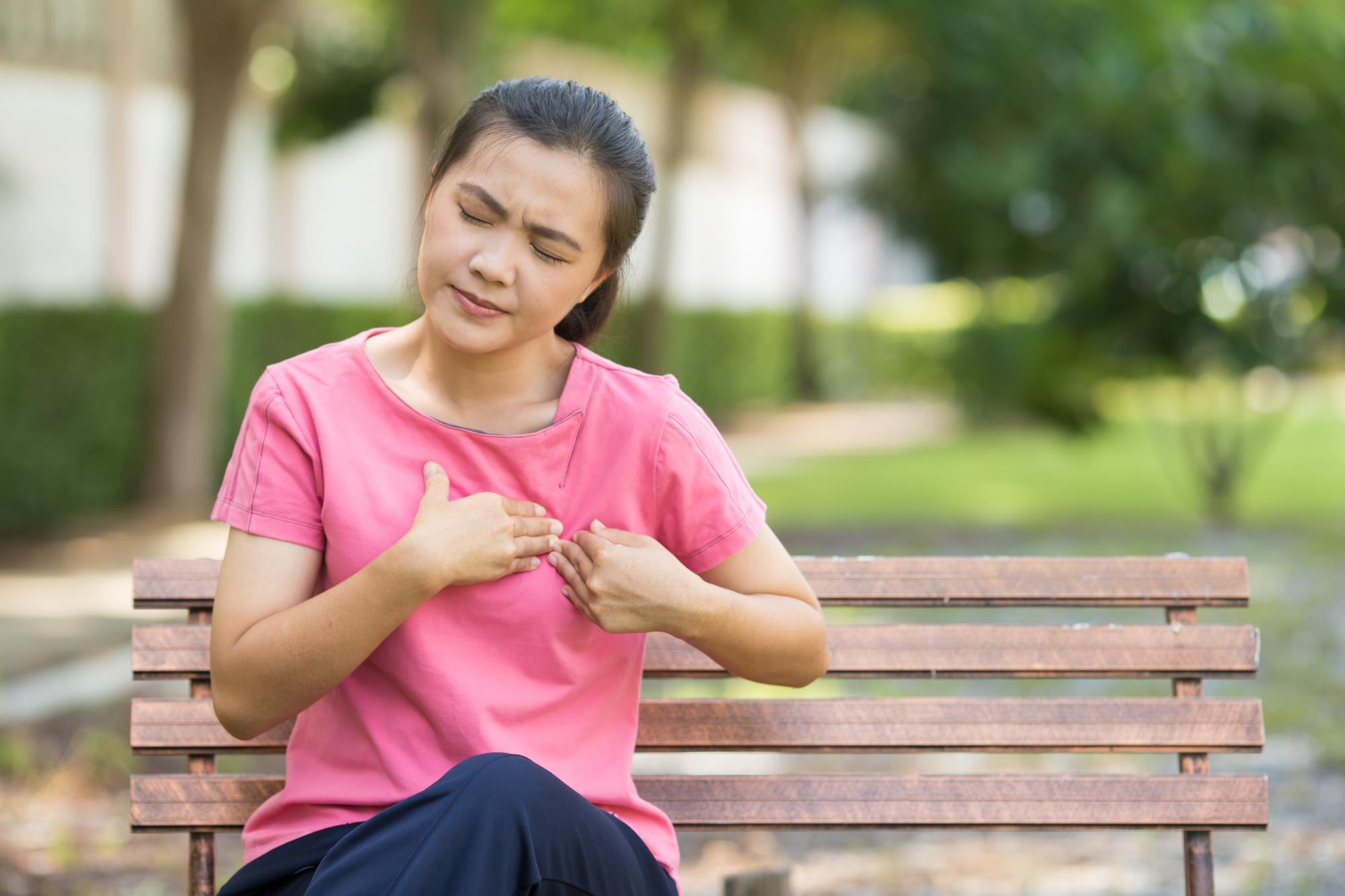
Women can have the same signs and symptoms of angina as men, but they can be slightly different. Women are more likely to have angina due to microvascular disease as opposed to blocked coronary arteries. As a result, they have angina as often as men, but they have fewer heart attacks. Chest pain is still the most common symptom, but the following signs and symptoms may be more common in women:
-
Belly pain
-
Nausea
-
Neck, jaw, throat, arm, shoulder or back pain
-
Shortness of breath
-
Vomiting
Age can affect angina signs and symptoms.
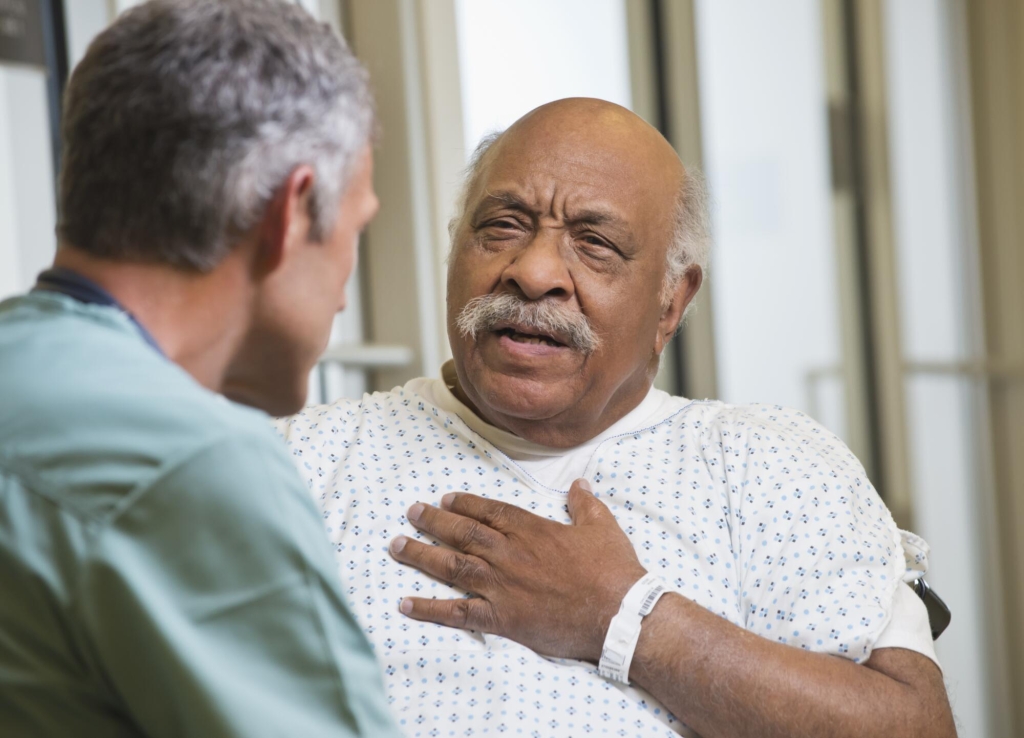
Simply getting older increases your risk for angina. It's more common in men after age 45 and women who are older than 55. Most signs and symptoms of angina remain the same as people age. However, shortness of breath is more common in older people. Other signs and symptoms also are more common among the elderly. These include:
-
Belly pain
-
Confusion
-
Dizziness
-
Shoulder or back pain
-
Weakness
The bottom line is to seek immediate medical care for chest pain.
Angina can have different signs and symptoms for different people. If you have any angina signs or symptoms that last more than five minutes and do not go away with rest or medication, call 911.