
View Providers
A cardioversion procedure is a treatment for afib that does not involve an operation. Its goal is to bring your heart rhythm back to normal. There are two types of cardioversion:
- Chemical cardioversion involves taking medication to convert your rhythm.
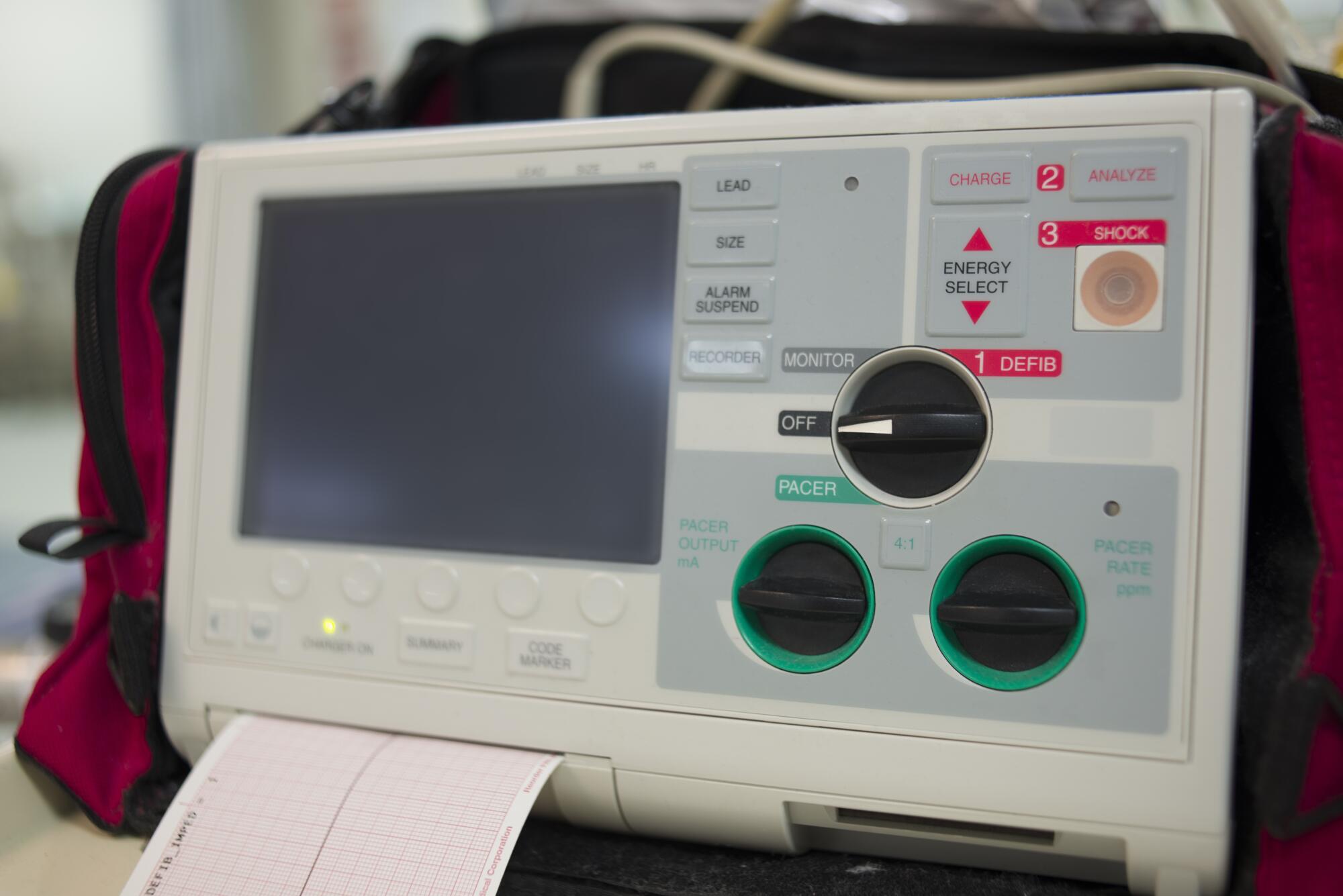
- Electrical cardioversion sends an electrical shock to your heart to restore its normal rhythm.
Electrical cardioversion for afib usually works right away, but afib often comes back. This could happen in a few days or even just a few minutes. If that happens, your heartbeat may become very fast and irregular once again. You might feel like you’re running a marathon, even if you’re sitting down. This happens because irregular electrical signals are moving through your heart.
Some people don’t notice warning signs of this. Others experience some common symptoms like:
- Fatigue
- Feeling a "flopping” or pounding in the chest
- Light-headedness or fainting
- Shortness of breath
Predicting the Success of Cardioversion for Afib
Cardioversion restores a normal heartbeat rhythm 90% of the time. However, more than half of these people develop afib again after one year.
When this happens, people sometimes have another electrical cardioversion. If afib returns again, chances are even lower for a third procedure to work. Less than 14% of people who have three procedures are able to maintain a normal heart rhythm.
There are many reasons why electrical cardioversion is more effective for some people than others. For instance, it seems to work better on people who also take medication to control their heart rhythm. It does not seem to work as well on people who have been in constant afib for more than a year. People with an enlarged left atrium may not respond as well to this treatment. Also, cardioversion is more likely to fail in people with untreated sleep apnea, a common sleep disorder.
Choosing cardioversion is an individual decision, but your doctor can help you decide. Talk with your doctor about this procedure if:
- You have troubling afib symptoms.
- You have not had afib for long.
-
You had the procedure in the past and your heart rhythm remained normal for a long time afterwards.
You may need to consider other afib treatment options if:
- You have another heart disease affecting your heart rhythm.
- You had the procedure in the past, and your afib symptoms quickly returned.
- You’ve had afib for a long time.
Other Treatment Options
If cardioversion isn't an option for you or you tried it and afib returned, you may be a candidate for a treatment called ablation. Cardiac ablation destroys specific areas of heart tissue causing your irregular heart rhythm. Your doctor may use freezing (cryotherapy), lasers, or electrical energy (radio frequency) to do this.
Some people need a pacemaker to regulate their heart rhythm after this procedure. A pacemaker will stimulate the heart when it’s beating too slow. Others may need a pacemaker if they're taking certain heart medications that slow their heart rhythm.
Surgery is another treatment option. People who have surgery for afib usually do so because other treatments have not worked for them. It's also an option for people with afib who are having surgery for another heart condition, such as a damaged heart valve. Surgery for afib usually has a high success rate.