
View Providers

Be patient while your body recovers.
There are two general types of heart bypass surgery—open surgery and minimally invasive surgery. Minimally invasive surgery generally involves less pain, a shorter hospital stay, and a shorter recovery than open surgery. The speed of your recovery also depends on other factors, but there are some general principles that apply to both types of surgery. Here's what to expect for a smooth recovery.

Set realistic recovery goals.
Your goal during recovery is to manage your symptoms, regain energy, and improve your overall health. This can take some time depending on the type of heart bypass surgery. Complete recovery after open surgery takes several months or more. It may only be a few weeks for a minimally invasive bypass, which involves smaller incisions and does not cut through the breastbone. Talk with your doctor before surgery about strategies for recovery and what you can expect.
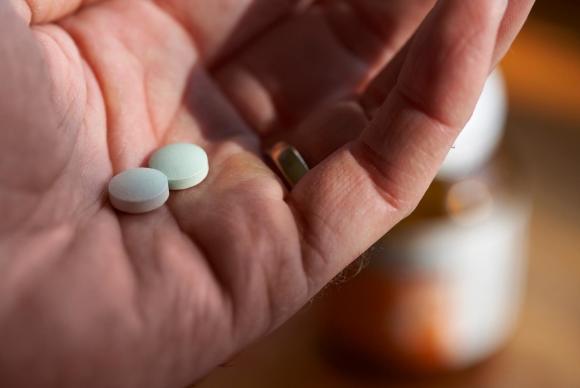
Take your pain meds.
Your pain level will depend on the type of heart bypass surgery. Pain tends to be less and resolve more quickly after minimally invasive procedures. For open surgery, pain may persist for 4 to 6 weeks. Controlling pain is vital because it helps you complete rehabilitation and increase your activities. You will likely go home on a narcotic pain reliever to control pain. Ask your doctor before taking other pain relievers, such as ibuprofen (Advil, Motrin) or naproxen (Aleve).

You’ll need cardiac rehab.
In most cases, doctors encourage walking for short periods after surgery. You may need to be able to walk a certain distance before you can go home from the hospital. Gradually, you’ll add activities and intensity once you’re home. Most people benefit from a cardiac rehabilitation program. Ask your doctor when it’s safe to return to daily activities, driving, work, sex, and sports or other leisure activities.

Keep a positive attitude.
It’s common to feel tired and weak after heart bypass surgery. You will likely need someone to help you with daily activities for a time. Remember to rest or nap when you need it. Sticking to your doctor’s instructions for activities and walking will help you regain your energy. Try to get outside and keep a positive attitude toward your recovery. Check in with your doctor if your fatigue continues and is not improving.
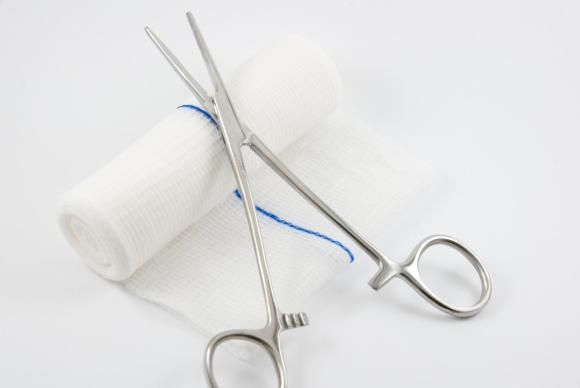
Give your wound some TLC.
Wound healing time will depend on whether you had open surgery or a minimally invasive procedure. Follow all instructions for covering and dressing the wound, keeping it dry, and showering. You may need your doctor to remove your stitches or staples. This won’t be necessary if your doctor used dissolving stitches and tape strips. Call your doctor or someone on your care team if the wound is red, swollen, warm, draining pus or excess fluid, bleeding, or starting to open.

Take steps to improve your overall health.
Heart bypass surgery won’t prevent heart disease from coming back, but you can do your part to prevent it. The key is improving your overall health through a heart-healthy diet, regular exercise, a healthy weight, and treating related conditions. If you smoke, your doctor can recommend a cardiac rehabilitation program to help you stop. Cardiac rehab programs offer support for people recovering from heart surgery, including effective ways to stop smoking.

Be aware of possible complications.
It’s important to be aware of possible complications while you recover so you can tell your doctor. Call your doctor right away if you have fever, chest pain, shortness of breath, leg pain, incision drainage, or worsening pain. These could be signs of a complication. Other warning signs include swelling, redness or tenderness in the leg, calf, ankle or foot. Call your doctor or seek medical attention if you experience these problems.

Go to your follow-up visits.
An ideal heart bypass recovery is one that returns you to your active life with reduced or no symptoms, such as chest pain. Remember that you will need regular follow-up visits and tests to check your heart health. Follow your doctor’s recommendations and be sure to call your doctor with any concerns.