View Providers
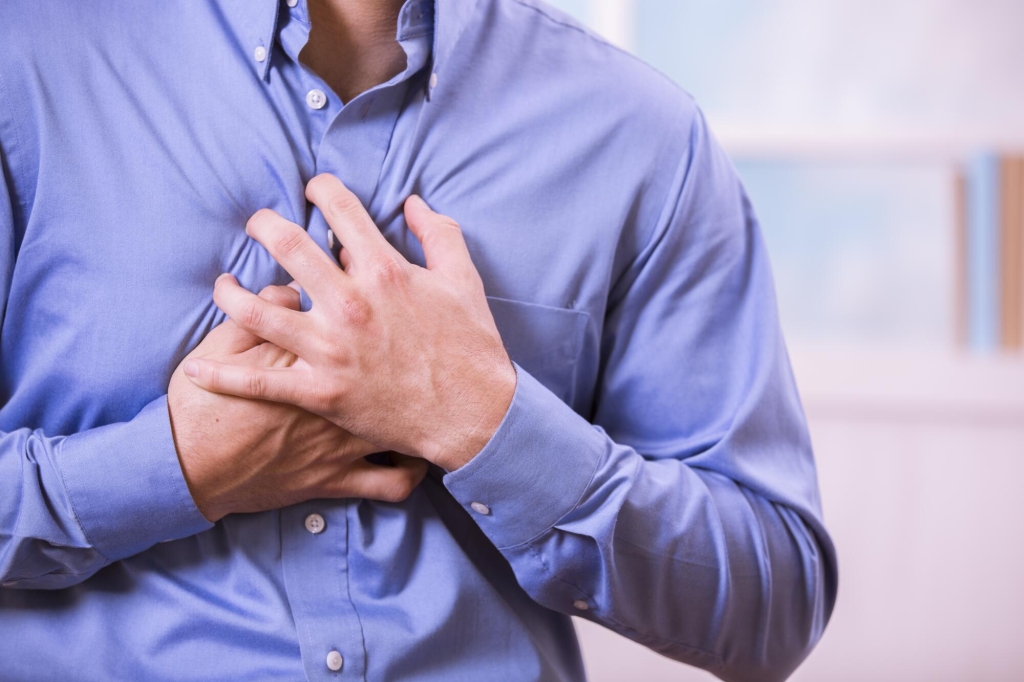
Shortness of breath. Overwhelming chest pain. Nausea. You’re probably familiar with the most common symptoms of a heart attack. But these symptoms aren’t always the same for women and men—and as a result, women are more likely to dismiss heart attack symptoms. By knowing the signs and how heart attack symptoms differ in men and women, you can take quick action if a heart attack strikes. Here are some key differences to know between heart attack symptoms in men and heart attack symptoms in women.
Common Heart Attack Symptoms in Men and Women
A heart attack occurs when blood flow is blocked to the heart, either because of a blood clot or narrowing of the arteries. The heart is a powerful muscle, pumping blood throughout the entire body. When blood and the oxygen it delivers are unable to get to the heart, a portion of the heart is weakened and may die without urgent action. That’s why it’s critical to call 911 right away at the first sign of a heart attack.
There are well-known heart attack symptoms for both men and women. They include:
-
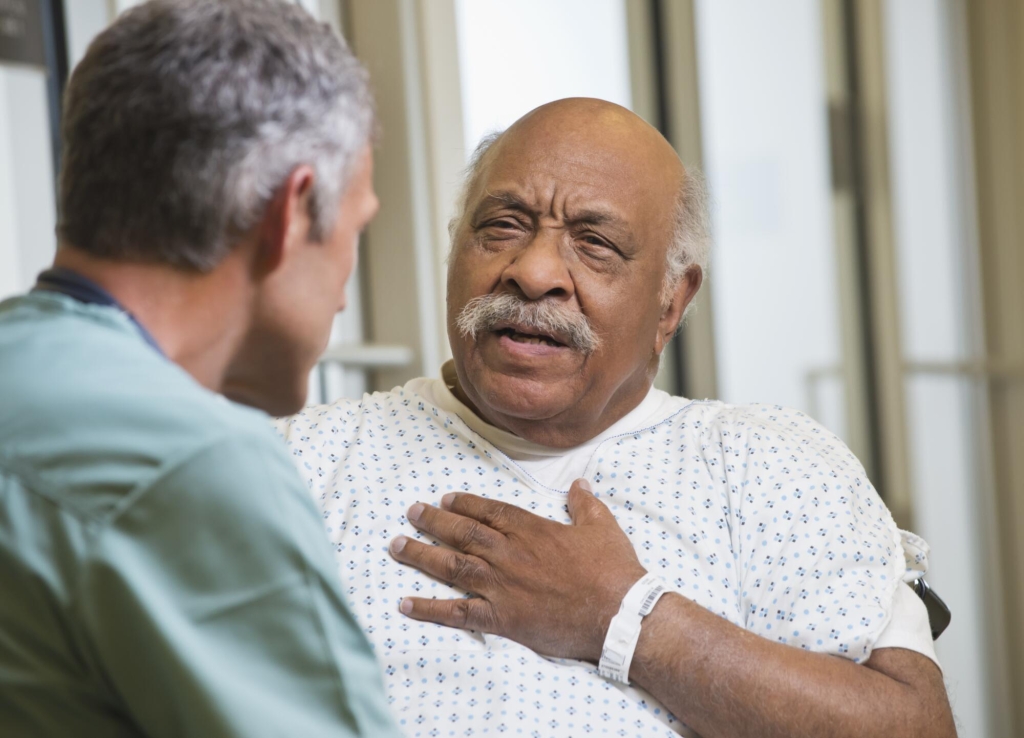
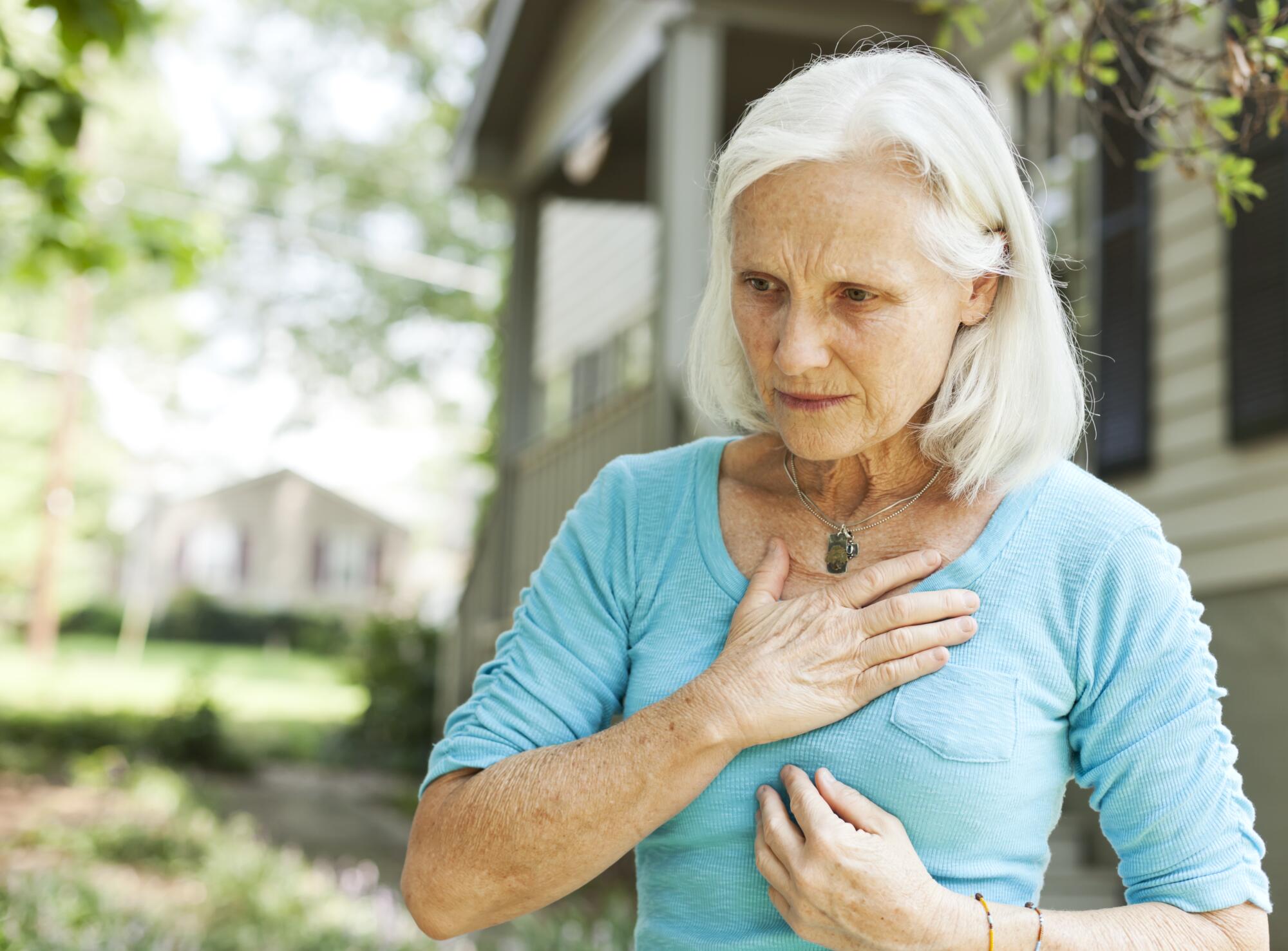
Chest pressure/pain, often described as feeling like an elephant sitting on your chest
-
Clammy sweats, which tend to come on suddenly
-
Shortness of breath or difficulty breathing, which may happen even without chest pain
-
Nausea and dizziness that can also include stomach pain
-
Feelings of anxiety that may come on for no reason
-
Pain that starts in the chest and then shoots into the back or down the arms
Specific Heart Attack Symptoms in Women
While these checklists of heart attack symptoms are widely available, there are certain signs of a heart attack that tend to be more specific to women. Women may not recognize these symptoms of discomfort as indicators of a heart attack, which can prevent them from seeking emergency care.
Symptoms more closely associated with women include:
-
Back or jaw pain: Women may feel back pressure that feels like a rope being tied behind them, according to one expert. In addition, women tend to feel sharper pain than men.
-
Unusual fatigue: Along with shortness of breath, women may also feel abnormally tired.
- Lightheadedness:
In addition to nausea, women may suddenly feel faint.
Women are also more susceptible to the so-called “silent heart attack,” which doesn’t have any overt symptoms. But this name is somewhat misleading. Silent heart attacks are often related to ischemia, a limiting of blood flow. Ischemia does have symptoms, including those listed above, but they may seem mild and are often confused with the flu or back pain.
Why Women Are More Likely to Die of Heart Attacks
A key difference in heart attack symptoms between men and women is their reaction to them. Women tend not to take even chest pain, the most common heart attack symptom, seriously. Researchers say women who feel chest pain are more likely to ignore it, believing they have the flu or acid reflux. Their doctors also may overlook the possibility of a heart attack.
This lack of awareness—and subsequent lack of action—can have tragic repercussions. Women under 45 who have suffered their first heart attack are more likely than men to die within a year. And heart disease in general kills more women than men every year. In fact, it’s the number one killer of women in the United States.
A variety of factors make women more susceptible to heart disease than men. According to a 2013 study, women were more likely to have diabetes, depression, obesity and kidney failure than their male counterparts. In addition, women under 55 who did not experience chest pain during a heart attack were more likely to die than men under 55 who did not have chest pain with their heart attacks.
There are also some differences in physiology. More women than men have small vessel disease, which, as its name implies, affects the small arteries of the heart more than its large ones, meaning symptoms may be more subtle. Men also have larger heart ventricles, the lower chambers, making heart attacks more noticeable.
How to Reduce Your Heart Attack Risk
Both men and women need to be aware of heart attack symptoms, along with risk factors that can increase their likelihood of having a heart attack. Talk to your doctor about heart-healthy lifestyle habits, such as smoking cessation, diet and exercise, to lower your chance of a heart attack and keep your heart beating strong for years to come.