View Providers
Bypass Surgery: Major but Manageable
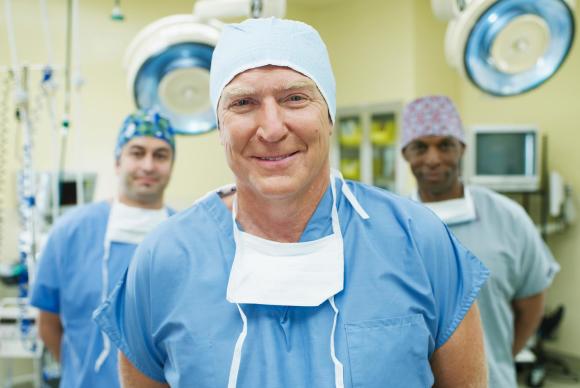
If your doctor has said you need heart bypass surgery, it can feel overwhelming at first, especially if it is an emergency situation. But your chances of having a successful surgery without complications and a smooth recovery are probably better than you expect. Here’s what three practicing heart surgeons want you to know about heart bypass surgery.

1. “Bypass surgery is less risky than you think.”
When any of the three main arteries that supply the heart with oxygen-rich blood become blocked, your cardiologist and heart surgeon may recommend bypass surgery. In this major but routine operation, the surgeon will remove a small piece of artery or vein from your chest, arm or leg and use it to reroute your heart’s blood supply around the blockage. “People are often surprised to learn how low the risks of coronary bypass surgery are these days,” says Daniel Meyer, MD, cardiothoracic surgeon with Methodist Health System in Dallas. “When I explain their individual risk of complications, it usually helps them be calmer and more optimistic about the surgery.”
2. “Expect post-operative pain to be manageable.”
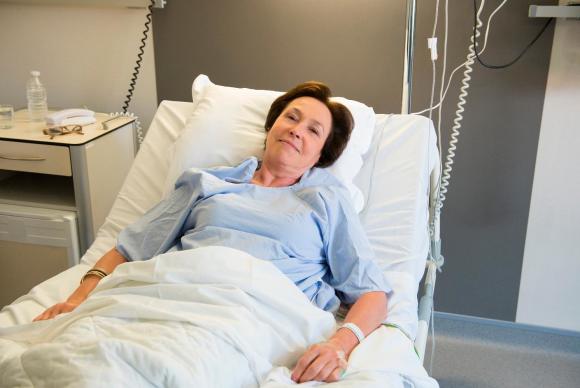
During bypass surgery, the heart surgeon makes a long cut down the center of the chest along the breastbone or sternum. Then the surgeon spreads open the ribs to expose the heart. After rerouting the body’s blood supply to a heart-lung machine that takes over pumping, the surgeon stitches the piece of blood vessel to the outside of the heart. It’s easy to imagine feeling intense pain after this surgery, but that’s often not the case. “The sternum is quite tender but, overall, cardiac surgery is generally much less painful than joint or abdominal surgery,” says Eric Lehr, MD, cardiothoracic surgeon with Swedish Heart & Vascular Institute in Seattle.
3. “After surgery, it’s important to be physically active.”
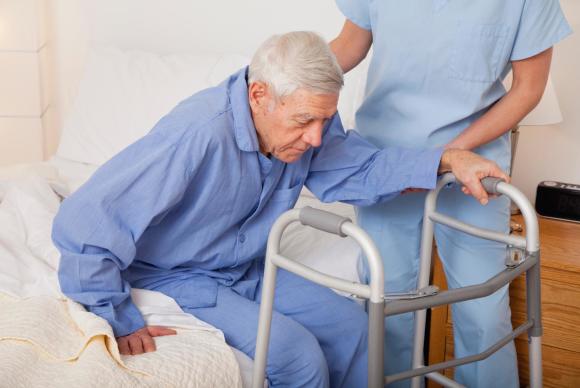
One key to preventing postoperative complications like pneumonia or blood clots is to move around as much as possible. “Expect us to get you sitting up in a chair or even standing by the day after bypass surgery,” says Michael Banbury, MD, a cardiovascular surgeon at Christiana Care Health System in Newark, Del. “By the time you leave the hospital in 4 to 6 days, you’ll be up and walking around taking care of yourself.”

4. “You won’t injure your heart after surgery.”
The good news about bypass surgery is the heart’s pumping ability is back to normal as soon as surgery is completed. “Patients are relieved to hear that their heart is fixed once the operation is over,” says Dr. Banbury. “The sternum — not the heart — is what takes time to heal.” Expect your surgeon to place some moderate limits on your activities for 6 to 12 weeks to allow the breastbone to heal. The most common are no driving for about a month and lifting only objects that weigh less than 10 pounds.

5. “Talk to your doctor if you feel depressed.”
It’s common for people to feel down or even depressed for up to two months after bypass surgery. Doctors used to think there was something about the heart-lung machine itself that caused the blues, but that theory has been discredited. Share any concerns with your heart surgeon. “People get extra emotional about the heart because of its cultural importance in our society,” says Dr. Lehr. “Other organs like the pancreas and liver are necessary for life, too, but people don’t have the same level of emotion about them.”

6. “Commit to a healthier lifestyle.”
Bypass surgery improves blood flow to the heart, but it doesn’t cure underlying coronary artery disease. That means how long your heart is able to remain blockage-free depends at least in part on the lifestyle choices you make in the months and years ahead. “Commit to not smoking ever again and, if you have diabetes, to maintain your sugars at a safe level,” says Dr. Lehr. “Also consider improving your diet and increasing the amount of exercise you get on a regular basis.”

7. “Expect your quality of life to improve.”
Since heart bypass is major surgery with a long recovery time, it can be tempting to feel like your life will never return to the way it was. In fact, your quality of life should improve significantly once you’re through the initial healing period. “We do heart surgery to relieve symptoms, reduce the risk of heart failure, and maintain or improve your longevity,” says Dr. Meyer. “You’ll soon be feeling better and more energetic than you did before the surgery, which means you’ll be able to do even more than you did before.”