View Providers
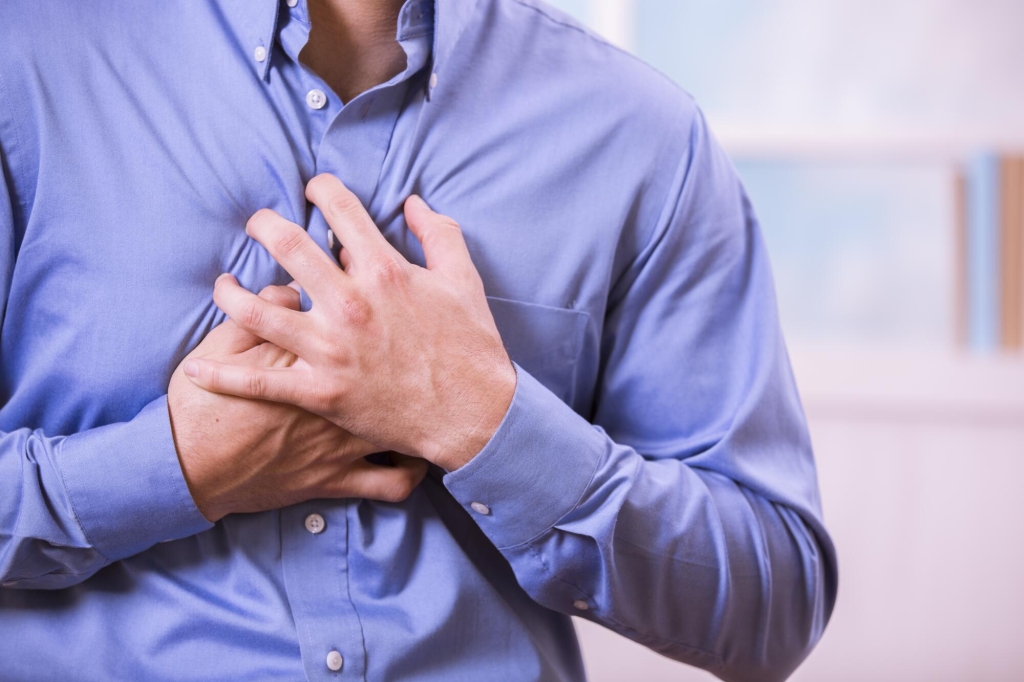
A heart attack occurs every 34 seconds in the United States, according to the American Heart Association (AHA) update on heart disease and stroke statistics for 2016. But people often wait two hours or longer before seeking medical care for symptoms of a heart attack, also called myocardial infarction. Every minute counts in a heart attack because every minute of delayed treatment increases the chances that you can have permanent or even fatal heart damage. Know when to head to the emergency room and what to expect when receiving emergency treatment for a heart.
When should I go to the emergency room?
You should call 911 right away if you or someone you are with has the warning signs or symptoms of a heart attack. Do not drive yourself or someone else to the ER even if your symptoms seem mild. Don’t hesitate. Calling 911 will bring treatment right to your door and to the ER the fastest. Emergency responders also know in real time which nearby ER is best able to care for you and is least crowded.
Call 911 for these types of symptoms:
-
Chest pain, which may be described as squeezing, pressure or achiness
-
Breaking out in a cold sweat or looking “white as a ghost”
-
Pain or an uncomfortable feeling in your back, shoulders, arms, neck or jaw
-
Dizziness or passing out
-
Difficulty breathing or shortness of breath
-
Unexplained abdominal pain or stomachache
-
Unexplained loss of strength, or feeling like you don’t have any energy
What happens when I call 911 and arrive at the hospital?
When you call 911, many things will happen quickly. This can be alarming but be assured that this is necessary to treat a heart attack most effectively.
When emergency responders arrive, they will start emergency care and notify the ER of your condition. This ensures that the staff is ready to continue treatment as soon as you arrive. As a precaution, all emergency personnel will treat you as if you are having a heart attack until all your tests are complete. Heart attack emergency treatment generally includes:
-
Oxygen therapy given through a small device over your nose or a face mask
-
Cardiac monitoring, or observation of your heartbeat and rhythm
-
Intravenous (IV) needle insertion, which allows your care team to give you emergency medications
- Aspirin and other medications to help prevent blood clots, ease your chest pain, and stabilize your heartbeat
You will need to answer a lot of questions about your symptoms and medical history—probably more than once. This is important to ensure all staff have a full picture of your health. Emergency personnel will also perform these tests:
-
EKG (ECG, electrocardiogram), which makes a picture of the electrical activity of your heart. This may appear normal during a heart attack.
-
Blood enzymes tests (cardiac enzymes tests), which can show if you have heart damage
-
Chest X-ray, which can help diagnose or rule out other problems such as fluid in the lungs.
If your doctor determines that you are having a heart attack, you may receive:
-
“Clot-busting” medication, which dissolves the clot in the coronary artery causing your heart attack (thrombolytic therapy)
-
Cardiac angioplasty, a procedure that involves opening blocked coronary artery causing your heart attack
Being prepared and knowing what to expect during a heart attack is reassuring and helps you to get the fastest, most effective care. You’ll receive some of these treatments (except for angioplasty) from the fire department or paramedics depending on where you live and the medical training level of the emergency responders.
What can I do to prepare in advance?
If possible, prepare for a heart attack emergency to streamline your care. Here are some important tips to take care of now:
-
Learn about the services of hospitals in your area. Not all hospitals are equal when it comes to treating heart attacks. To find a hospital near you that is recognized for excellence in heart attack, or cardiac care, call your local hospitals directly or use the internet. You can search for your local hospitals or try one of several free, online resources to help you find a good hospital.
-
Carry a current list of your medications, allergies, and medical problems. Be sure to include your address, age, insurance information, and names and phone numbers of family and your doctor. Also, have results of past medical tests available, especially your last EKG if you’ve ever had one.
-
Have a family plan for emergencies. This includes deciding who would take care of your children and pets.
- Get CPR training for you and your family. CPR training helps you give the most effective care for someone who has collapsed.