
View Providers
A Narrowing of the Aortic Valve
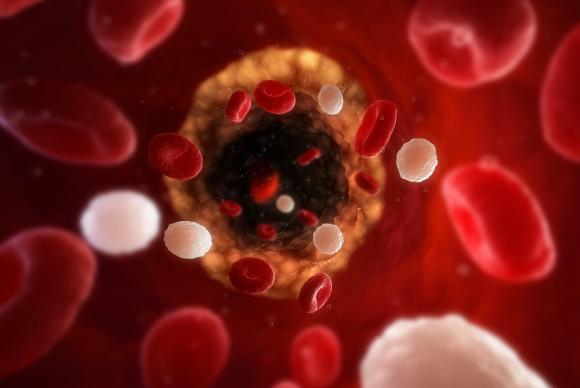
With aortic stenosis, the opening in the heart's aortic valve becomes narrow. This decreases the amount of blood that can flow to your body. Here are eight things you should know about this serious heart condition.
1. What Happens in Aortic Stenosis
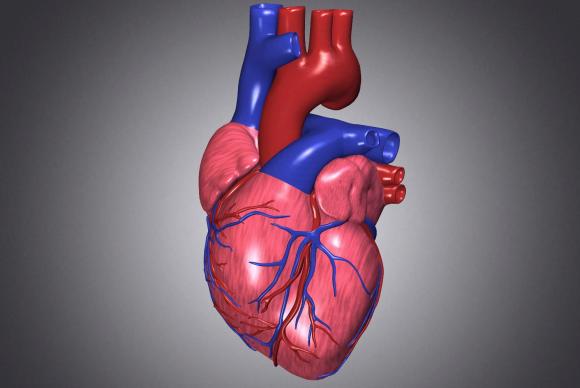
The aortic valve is a one-way valve with three flaps, called leaflets. The leaflets flip open to let blood flow out while the heart is pumping. When the heart relaxes, the leaflets flip back which closes the valve and keeps blood from flowing back in. With age, calcium can build up on the leaflets causing them to not open or close completely.

2. Who's at Risk for Aortic Stenosis
Symptoms usually show up after age 30 and increase with age. Some people are born with only two leaflets instead of three. This can cause aortic stenosis to happen at an earlier age. You are more likely to develop aortic stenosis if you are male, have family members with heart valve disease, smoke, or have high blood pressure, high cholesterol or diabetes. Having had rheumatic fever also increases your risk because it can scar your aortic valve.

3. Symptoms of Severe Aortic Stenosis
People with aortic stenosis may have no symptoms until later in the disease. If you have mild stenosis, it's common to have no symptoms. Even if you have severe aortic stenosis, you still may have only mild symptoms. Symptoms of severe aortic stenosis include trouble breathing, a rapid heartbeat, and experiencing a variety of symptoms after exertion, such as being very tired, dizziness or fainting, and chest pain.
4. Causes of Severe Aortic Stenosis
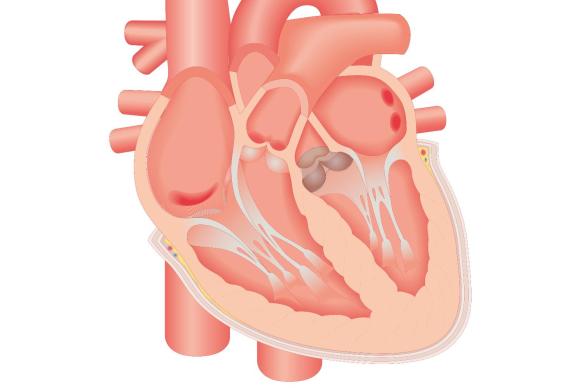
As the aortic valve becomes more stiff and narrow, the heart has a harder time pumping blood to the body. Blood also seeps back in the heart. The heart has to work harder and the body and brain doesn't get enough oxygen-rich blood. Over time, excess fluid backs up into your lungs, and your heart gets weaker which can result in heart failure. Heart failure is another symptom of severe aortic stenosis.

5. How Doctors Diagnose Aortic Stenosis
Your doctor may suspect aortic stenosis based on your symptoms, risk factors, and physical exam. Your doctor will listen to your heart for abnormal sounds such as a heart murmur, which is the sound of blood passing through an abnormal heart valve. An echocardiogram is the best test for diagnosing aortic stenosis. It makes a moving picture of the inside of your heart.

6. Treatment for Aortic Stenosis
If you have mild aortic stenosis, your doctor may just watch your condition closely. If your aortic stenosis gets worse, you may need to restrict your activities and take medicine to increase blood flow from your heart. If you have severe aortic stenosis, you may need surgery to replace the faulty valve. Without surgery, your chances of surviving for more than two years are just 50%.

7. Surgeries for Severe Aortic Stenosis
One option is balloon valvuloplasty where a doctor passes a deflated balloon into the aortic valve and inflates it to open the valve. This surgery is an option for young patients who were born with a valve that has two leaflets instead of three. Balloon valvuloplasty offers only temporary relief for adults. A more permanent option is to have a valve replacement. U.S. doctors do about 85,000 aortic valve replacements every year.
8. Transcatheter Aortic Valve Replacement (TAVR)
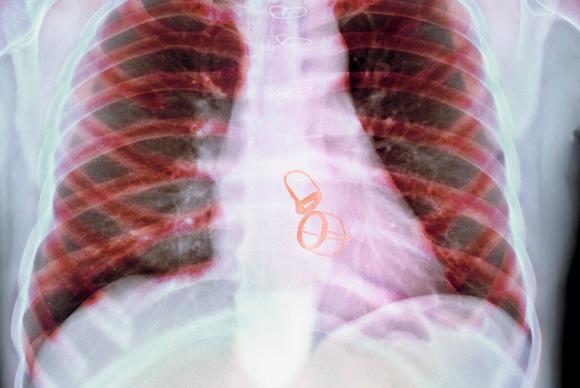
Until recently, you needed open heart surgery to have a valve replaced. With TAVR surgery, doctors replace a valve using a catheter. The doctor inserts a flexible catheter in an artery in your leg in order to implant the device. TAVR is an option if you have health issues that make open heart surgery too risky. This includes people at intermediate to high risk of surgical complications.