View Providers

1. High Cholesterol Rates Are Falling
You probably know that high LDL ("bad") cholesterol puts you at risk for heart disease. But you might not know that the prevalence of high LDL in U.S. adults actually fell during the last decade. One reason is greater use of cholesterol-lowering medication by those who need it. There's still plenty of room for improvement, however. Currently, about one in six adults has high cholesterol.

2. There's a Connection With Prostate Cancer
Getting your cholesterol under control can reduce your risk of having a heart attack or needing heart bypass surgery. But there may be other, lesser-known benefits as well. In one study, men with lower cholesterol were less likely to have a deadly form of prostate cancer than those whose cholesterol was high.

3. Cholesterol Affects the Brain
Cholesterol is crucial for healthy brain function, including learning and memory. Yet you can have too much of a good thing. In a recent study, middle-aged volunteers worked on memory tasks while undergoing brain imaging. Those with high cholesterol showed less activity in three of the brain's memory centers.

4. There's a Link With Alzheimer's Disease
There may also be a connection between cholesterol and Alzheimer's disease. In a study in Neurology, researchers looked at brain tissue from autopsies. They found that high cholesterol in the blood was associated with amyloid plaques in the brain—abnormal deposits of protein between brain cells. Such plaques are typical of Alzheimer's.

5. Cholesterol Rises After Menopause
In women before menopause, estrogen helps keep cholesterol in check. But within a year of a woman's last menstrual period, there is often a sharp rise in total and LDL cholesterol. This may help explain why the risk of having a heart attack increases dramatically in women after age 55.

6. You Should Start Testing Early
The chance of having high cholesterol rises as you get older. But problems start young in some people. All adults ages 20 and older should have a cholesterol blood test at least once every five years. Testing is also recommended for some children, including those who are obese or have a strong family history of heart disease.

7. Trans and Saturated Fat Matter, Too
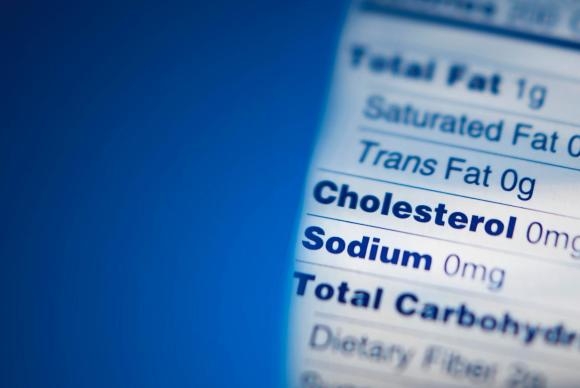
Eating a heart-smart diet is important. And that means more than simply choosing foods with little or no cholesterol. Such foods may still contain saturated or trans fat. These fats actually have the biggest dietary effect on blood cholesterol, so be sure to check for them in the Nutrition Facts on a food's label.

8. Low Cholesterol Is No Guarantee
Cholesterol numbers count. Yet they don't tell the whole story. In fact, a large national study found that nearly half of patients hospitalized for a heart attack had LDL levels in the optimal range. So listen to your cholesterol—but also heed your other risk factors, such as elevated triglycerides, smoking, physical inactivity and high blood pressure.