View Providers

Get the Facts About Your Heart Disease Risk
Heart disease isn’t just one disease. It’s an umbrella term for a group of conditions, such as those whose blockages lead to heart attack or ones involving abnormal heartbeats. Heart disease refers to a number of ailments with serious health risks — and some of them affect women quite differently from men. By knowing the facts around these common myths about women and heart disease, you can work with your doctor and take steps to lower your individual risk.

Myth No. 1: Heart disease is a man’s disease.
Heart disease is the number one cause of death for women in the United States — it kills more women than all types of cancer combined. And yet, according to research, more women consider breast cancer a bigger risk to their health. Along with staying up-to-date on cancer screenings, women need heart health check-ups as well, including regular blood pressure and cholesterol tests.

Myth No. 2: All types of heart disease are equal-opportunity offenders.
There are two types of heart disease that affect women more than men: coronary microvascular disease (MVD) and stress-induced cardiomyopathy. Coronary MVD describes damage to the inner walls of the tiny arteries of the heart that results in less blood flow. It’s not easy to spot, since it concerns such small blood vessels. Stress-induced cardiomyopathy, known more commonly as broken heart syndrome, is almost exactly what it sounds like: heart failure caused by emotional stress.

Myth No. 3: Only older women need to worry about heart disease.
While it’s true that your risk of heart disease increases with age, heart conditions occur in women young and old. Smoking, excess weight, high blood pressure, high cholesterol, and diabetes are all risk factors for heart disease, and all can occur in women who are a long way from being senior citizens. Hispanic women, in particular, are likely to develop heart disease a full decade earlier than non-Hispanic women.
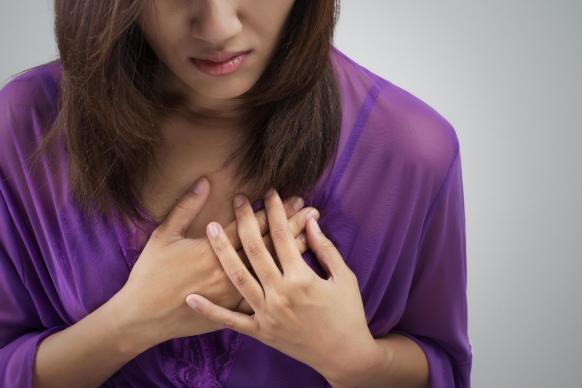
Myth No. 4: Symptoms of heart attack are the same for men and women.
Women experience heart attack differently from men. Women may describe the feeling in their chest as more of a tightness or pressure than pain. In fact, some women don’t feel chest pain during a heart attack at all. Instead, pay attention to symptoms like pain in the jaw, back, neck, shoulder or abdomen; nausea or vomiting; dizziness or lightheadedness; shortness of breath; sweating; and extreme fatigue. If you think you’re having a heart attack, don't downplay your symptoms. Get emergency help immediately, before heart damage has a chance to occur.

Myth No. 5: With modern medicine, heart attacks aren’t a big deal anymore.
Most people survive their first heart attack, but the gender split on that isn’t favorable: More men survive their first heart attack than women do. Women who have experienced a heart attack are more likely to die the following year than their male counterparts and are also more likely to have a second heart attack in the following six years.

Myth No. 6: Heart attack is the only dangerous outcome of heart disease.
Another, equally serious possible outcome of heart disease: stroke. Women account for 60% of deaths from stroke. And even when strokes aren’t fatal, they can have a negative effect on quality of life, depending on the extent of the damage. The risk of stroke in women increases with factors such as a history of preeclampsia and use of oral contraceptives or hormone replacement therapy — factors that don’t affect men. Migraine headaches also increase the risk of stroke, and three times as many women suffer from migraine versus men. In addition, African American women are almost twice as likely as white women to have a stroke.

Myth No. 7: Heart disease is all about your genes.
It’s true that a family history of heart disease increases your chances of developing it. That’s something you can’t do much about. However, you can control many of the risk factors that contribute to heart disease. Smoking, for example, raises your risk of heart disease — including secondhand smoke. Cutting cigarettes out of your life is a big step toward a healthy heart. Keeping blood pressure, cholesterol, and triglycerides down is another good way to cut your risk. Treating sleep apnea, depression, and diabetes helps prevent heart disease, as do a trim waistline, a healthy diet, and a daily routine full of physical activity.