View Providers

Know Your Risk of This “Silent Killer”
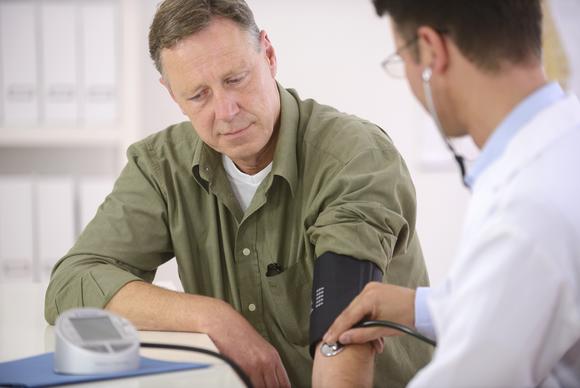
Uncontrolled high blood pressure is sometimes called “the silent killer” because it has no symptoms, but can be very dangerous to your health. Left untreated, high blood pressure can damage your heart and coronary arteries. It can also lead to stroke, kidney damage, vision and memory loss, erectile dysfunction, fluid in the lungs, and peripheral artery disease. More than 20% of people with high blood pressure are completely unaware of their condition. That’s why it’s important to have your blood pressure checked as part of your annual physical, and to be aware of the risk factors that can lead to high blood pressure—and what you can do about them.

Unhealthy Diet
Healthy food choices can actually lower blood pressure. On the other end of the spectrum, a diet that's high in calories, fats and sugars, and low in essential nutrients contributes directly to poor health as well as obesity, which affects blood pressure. In addition, eating too much salt and not enough potassium can raise blood pressure to dangerous levels.

Smoking or Drinking Excessively
Enjoy alcohol in moderation. Drinking too much (more than one alcoholic drink for women, two for men each day) can raise your blood pressure, as does the nicotine in cigarettes. Smoking can also damage your heart and blood vessels, while inhaling carbon monoxide reduces the amount of oxygen your blood can carry. Secondhand smoke also increases the risk of heart disease for nonsmokers.

Inactivity
Physical activity is good for your heart and circulatory system. When you lead an active lifestyle (exercising the recommended 30 minutes per day) you are less likely to gain an unhealthy amount of weight. Being overweight or obese is a common precursor to high blood pressure. To reduce your risk, make sure your weight is within recommended limits and your body mass index (BMI) is at a healthy level. If you are overweight, work with your doctor to design a diet and exercise program that can help you shed excess pounds and thereby reduce your blood pressure.

Genetics
Family members share genes, behaviors, lifestyles and environments that can influence their health and their risk for disease. Genetically, high blood pressure runs in families, so if your parents or close blood relatives have been diagnosed with the condition, you are more likely to develop it too. Get your blood pressure checked regularly. You can’t control heredity, but you can take steps to lower other risk factors.

Age and Gender
Some other characteristics you cannot control—like age, gender or ethnicity—can raise your risk for high blood pressure. As you age, your risk for high blood pressure increases. While men and women are equally likely to develop high blood pressure at some point during their lives, women are at greater risk beginning at age 65. Also, African Americans develop high blood pressure at a higher frequency than people in other ethnic groups.
Prehypertension and Diabetes
Prehypertension is blood pressure that is slightly higher than normal, and it increases your risk of developing develop chronic, or long-lasting, high blood pressure in the future. Diabetes also increases your risk for heart disease; approximately 60% of people with diabetes have high blood pressure. If you have already been diagnosed with prehypertension or diabetes, be sure you are working with your doctor on a treatment plan to keep your blood pressure at a healthy level.

What You Can Do About It
There is no “healthy” level of high blood pressure, which is why prevention is key. Some of the risk factors cannot be controlled, such as your age or genetics. But you can lower your risk by changing the factors you can control. That means eating a healthy diet, which may include reducing salt and sugar; enjoying regular physical activity; achieving normal body weight; avoiding tobacco smoke; and limiting your alcohol consumption. Together with your doctor, you can create a lifestyle and treatment plan that controls high blood pressure—or prevents it altogether.